Explore▾
Desert
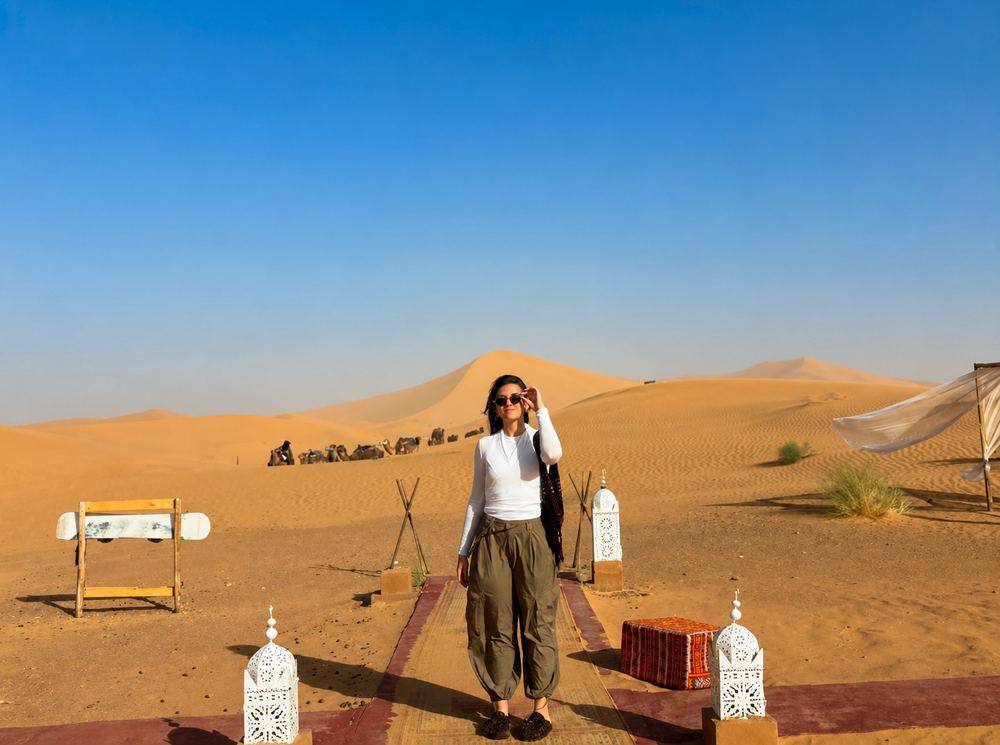
Merzouga
The golden dunes of the Sahara, the deepest silence you have ever heard, nights under a sky full of stars.
Every region has its own character: here is what we can experience together, stop by stop.
The golden dunes of the Sahara, the deepest silence you have ever heard, nights under a sky full of stars.
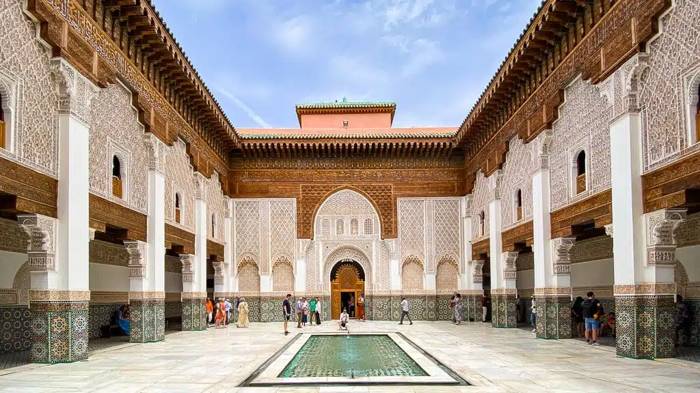
Marrakech, Fez, Meknes and Rabat have each been, in different eras, the capital of the kingdom. Every one of them still has a character you can read at a glance.
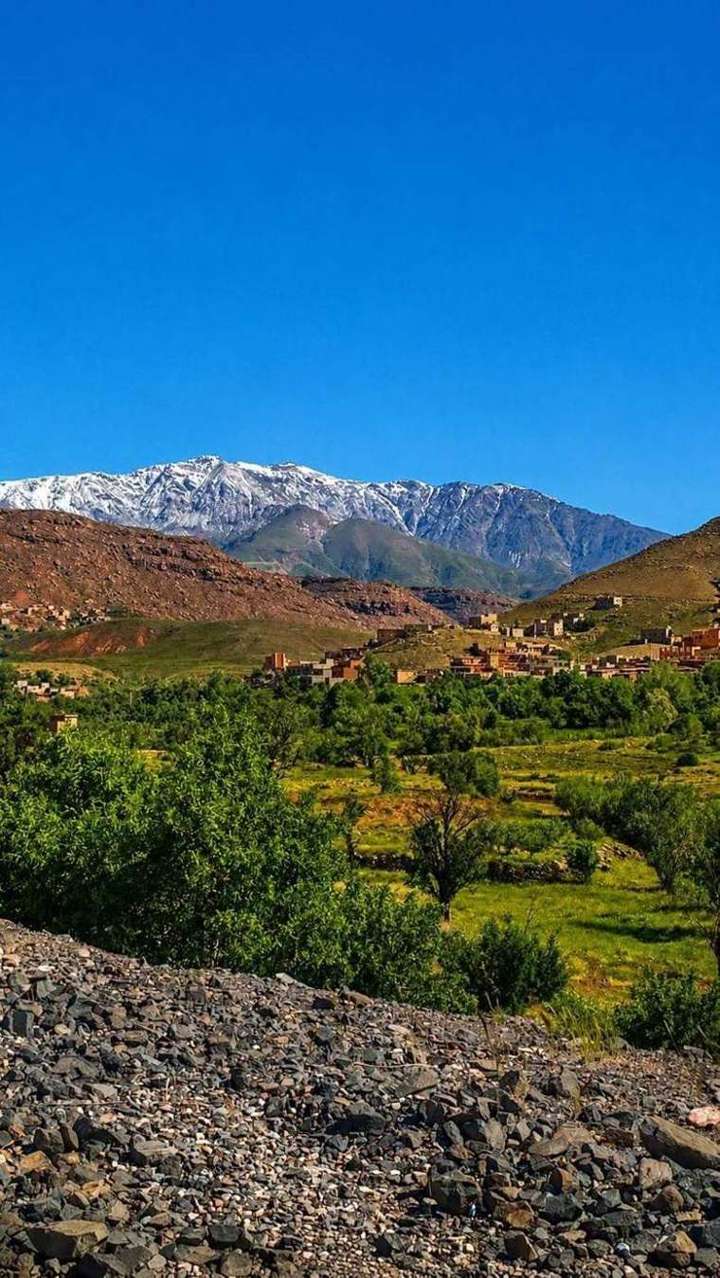
From the Tizi n'Tichka pass to the Dades and Todra gorges, from the peaks of Toubkal to blue Chefchaouen set in the Rif, all the way to the Cathedral of Imsfrane, the cedar forest between Azrou and Ifrane and the palm groves of the Ziz Valley: the most vertical and wildest Morocco.
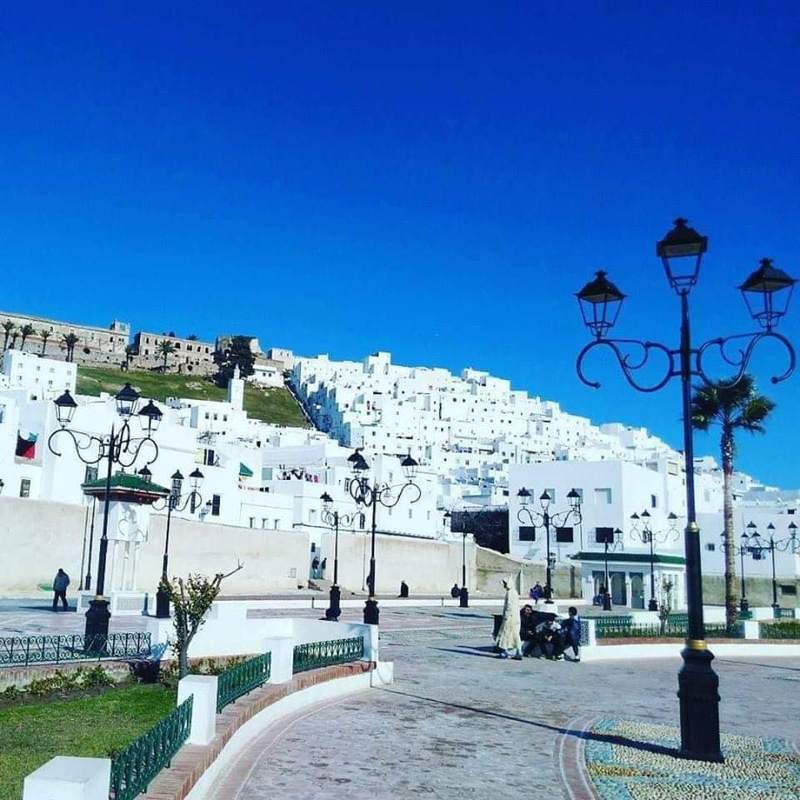
The north of the country has a different soul: here the Spanish influence is strongly felt, right up to the enclaves on Moroccan soil.
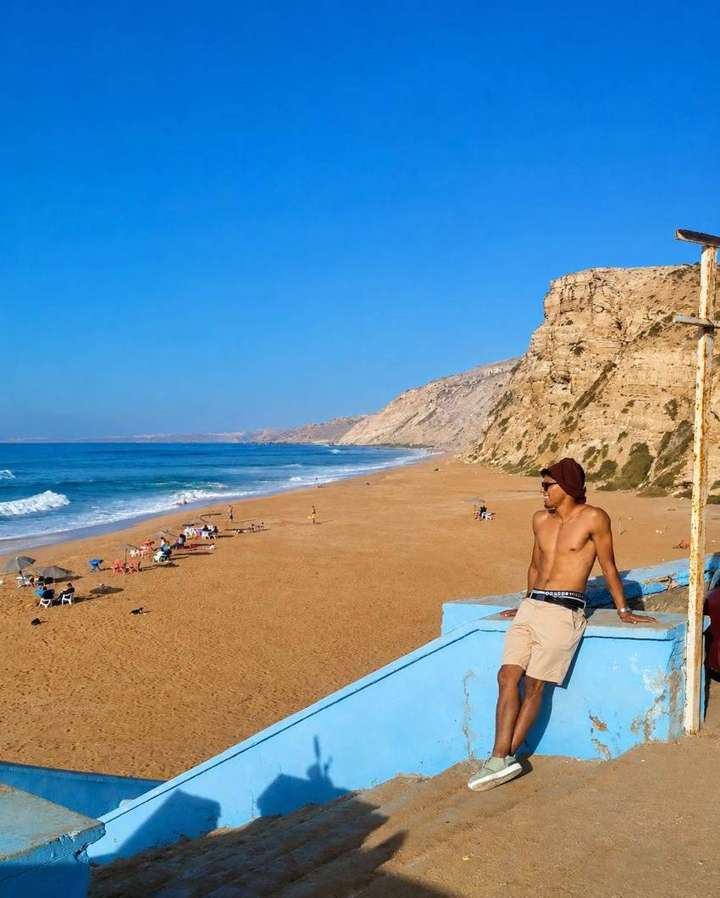
From Safi to Agadir, the coast has a rhythm and a soul completely different from the inland.
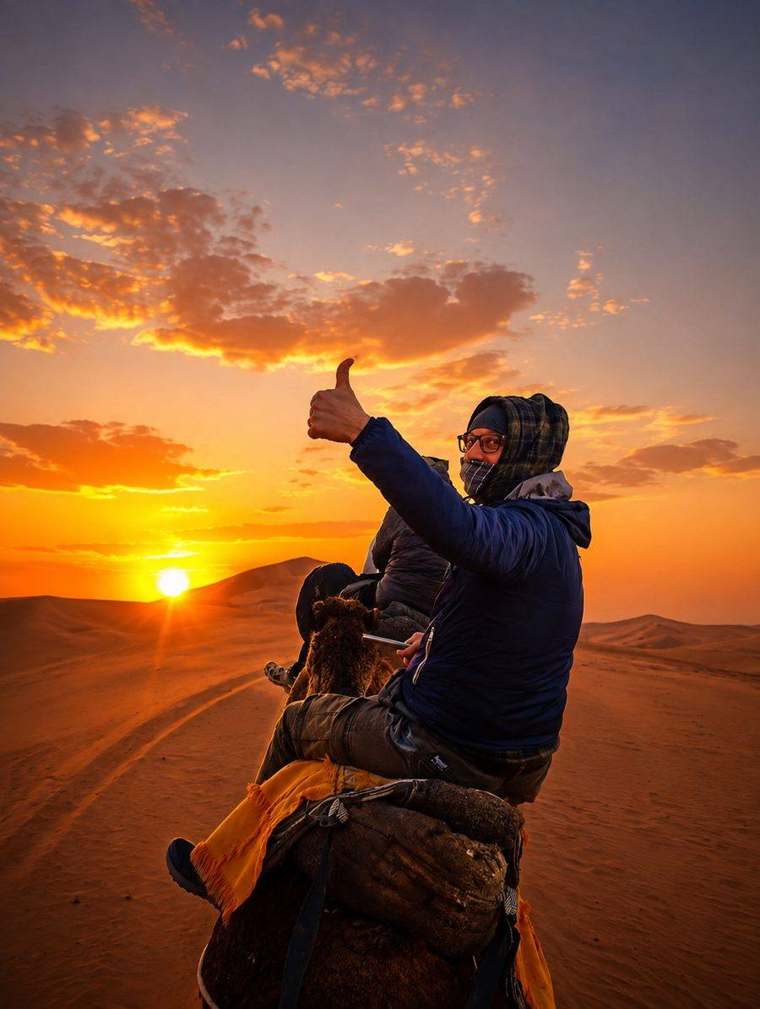
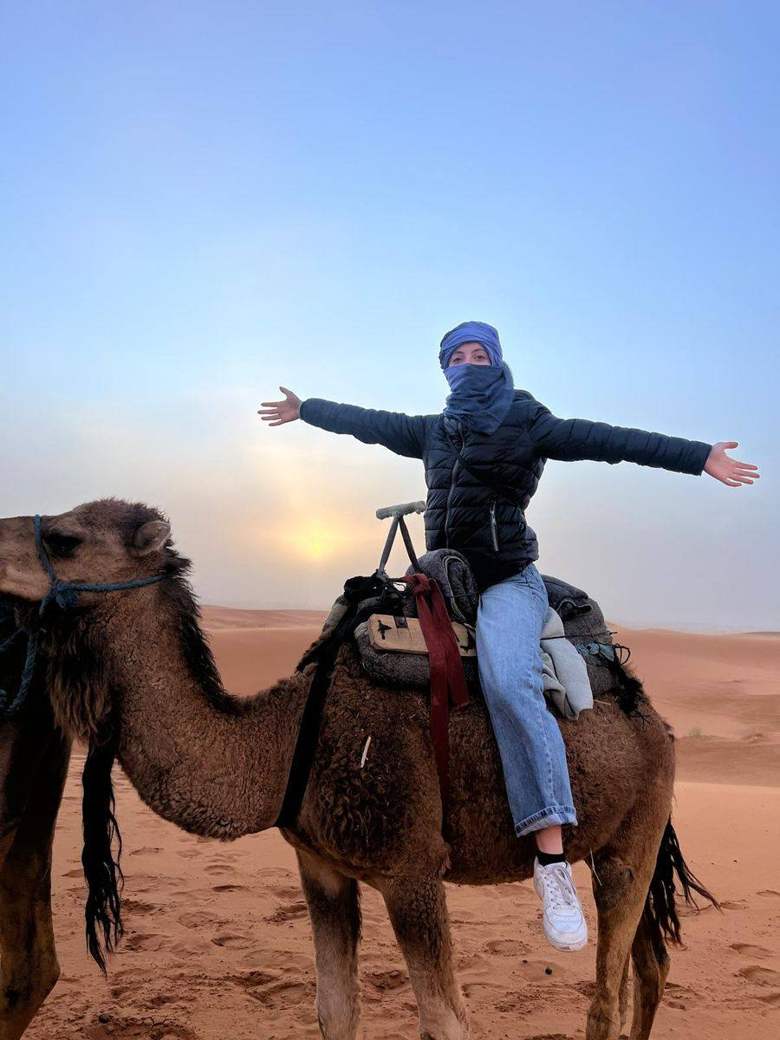
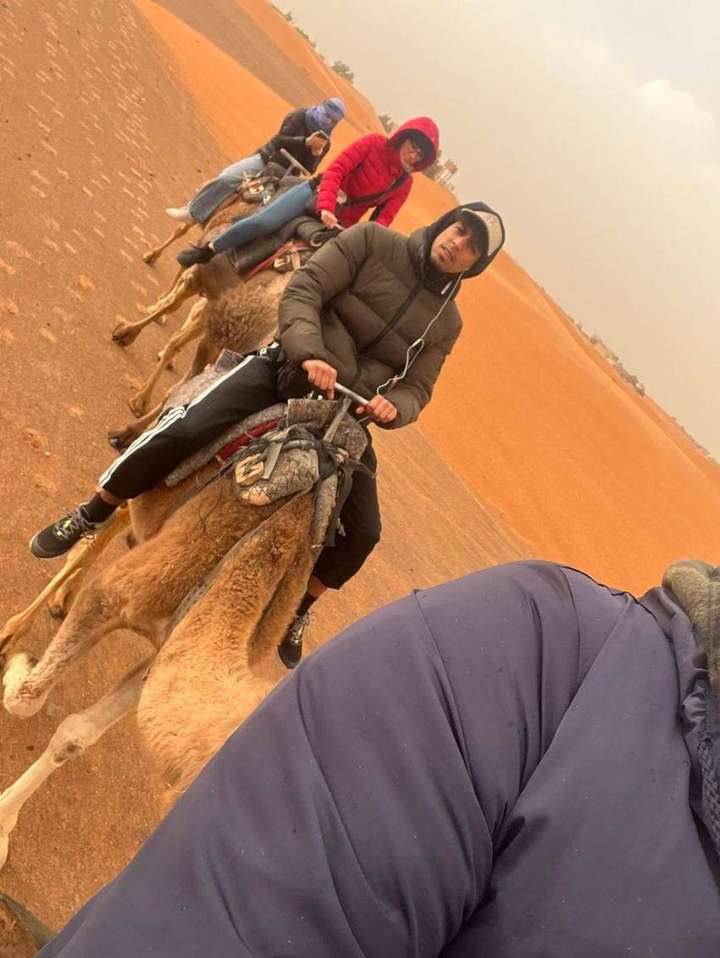
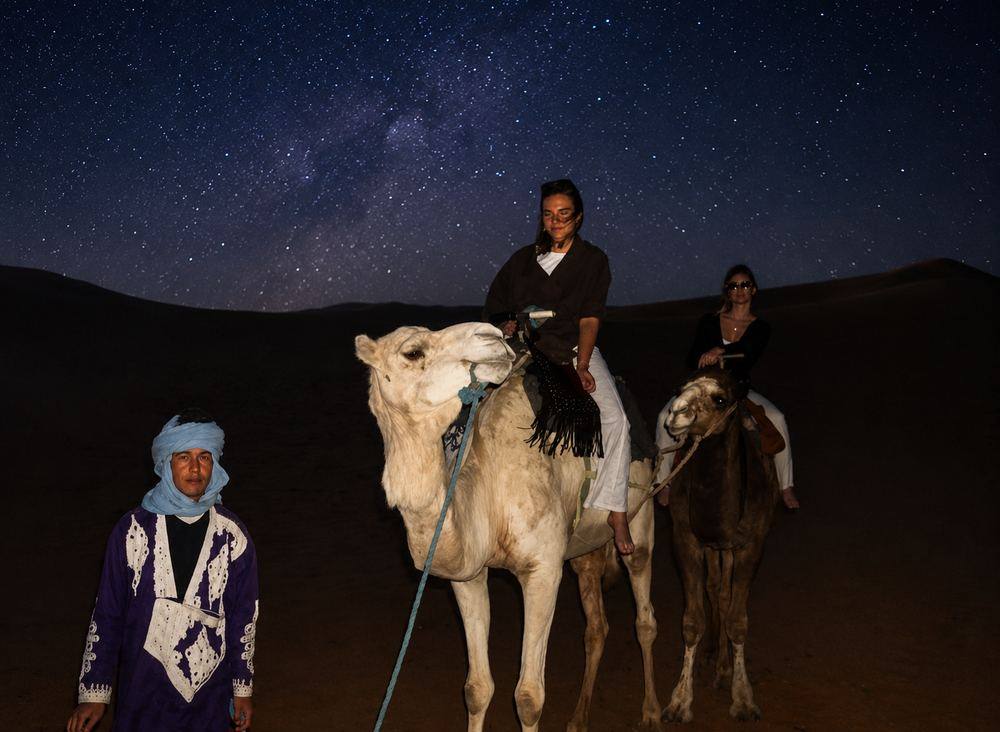
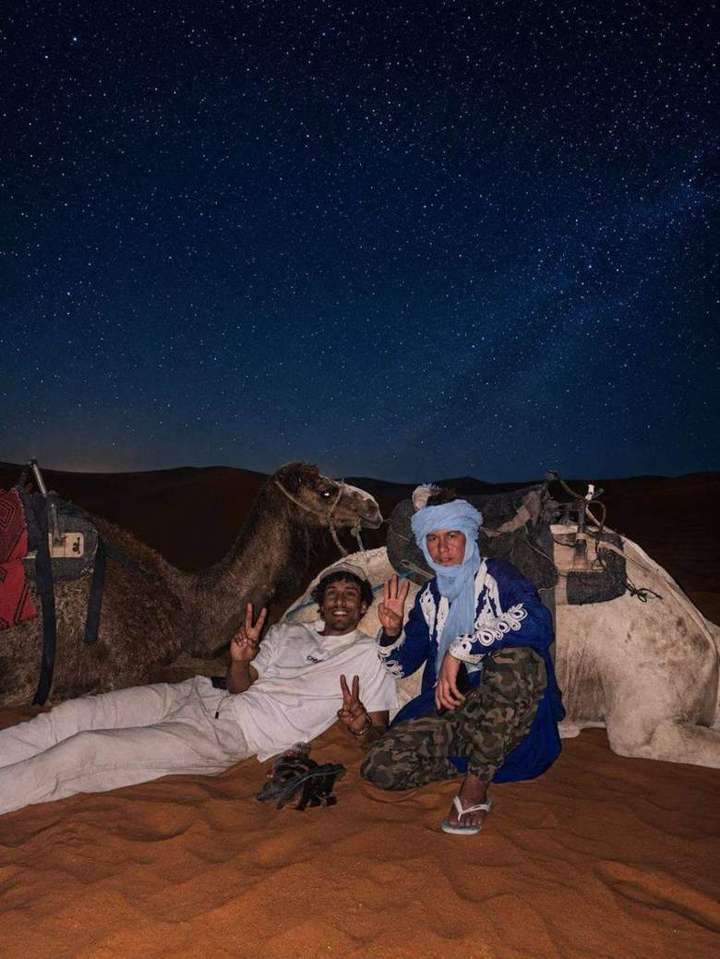
We set off in caravan towards the heart of the erg, at the slow pace of the camels.
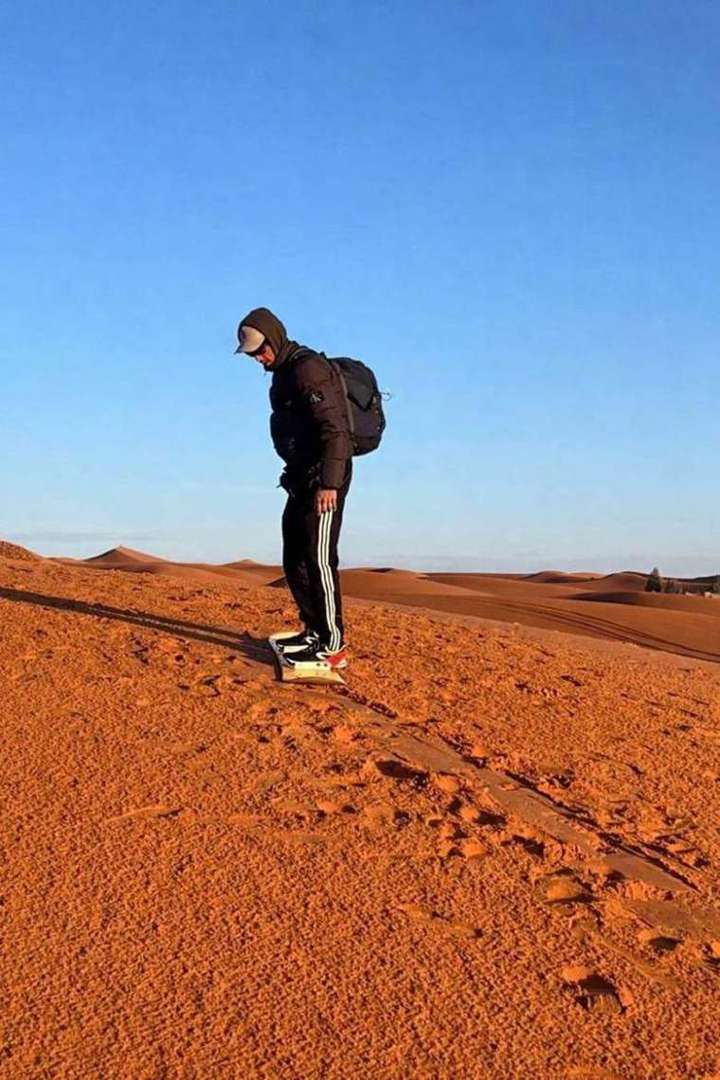
By day among the orange dunes, by night under a sky like no other.
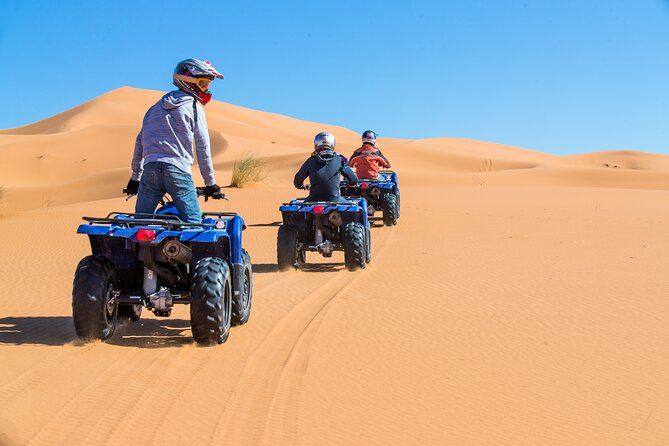
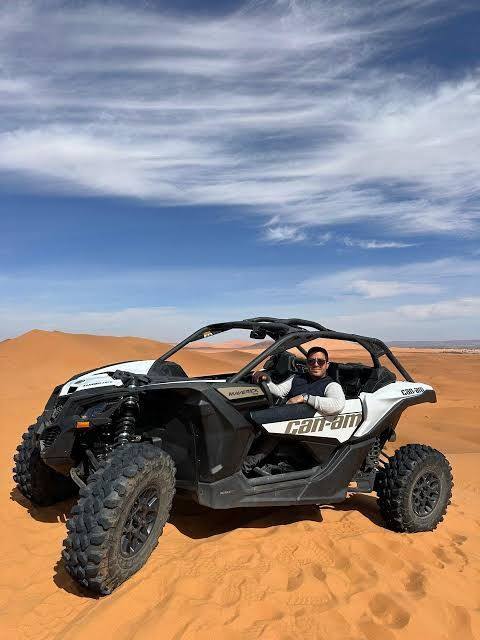
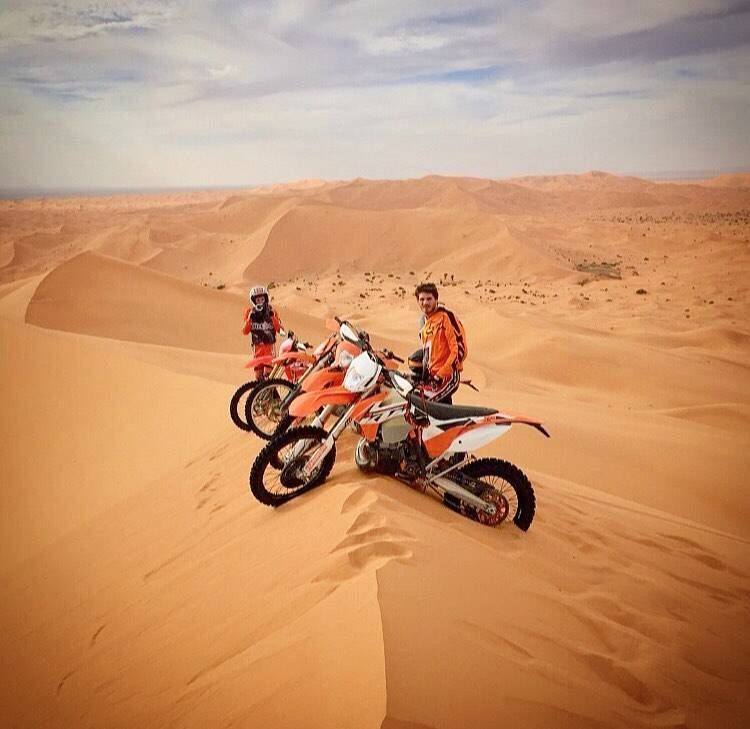
For those who want the desert at full speed: off the beaten tracks and up onto the sand ridges.
Vehicles and helmets are provided on site, with an instructor along for the ride.
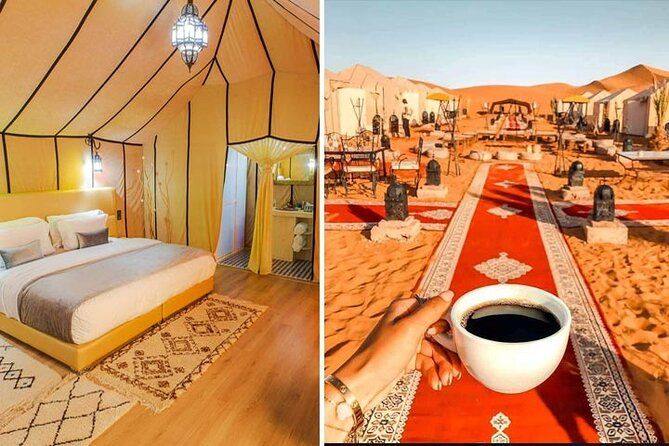
You sleep among the dunes, in equipped Berber tents, far from any artificial light.
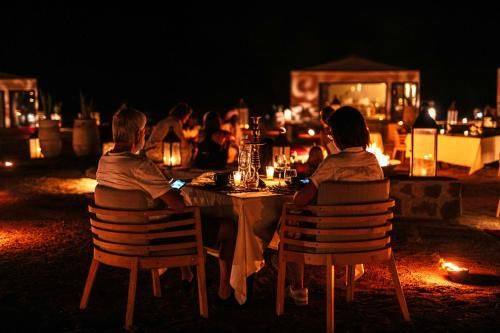
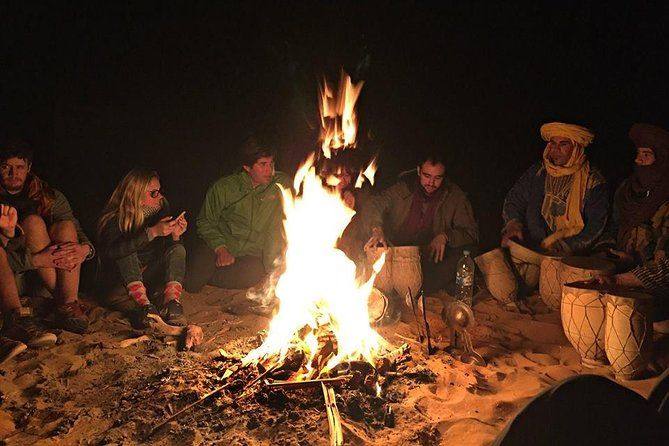
In the evening we dine under the stars and end the night around the fire, with live music.
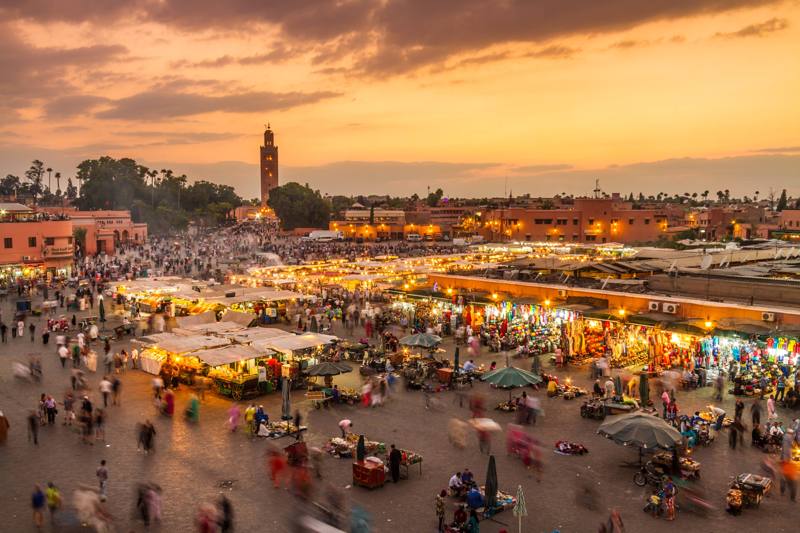
Ochre and terracotta walls, souks, Jemaa el-Fna: the beating heart of the south. The medina is a UNESCO World Heritage site.
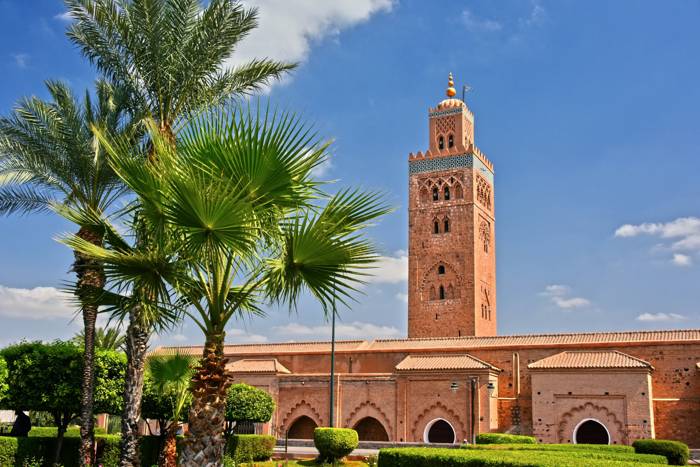
The minaret that symbolises the city, a landmark visible from every corner of the medina.
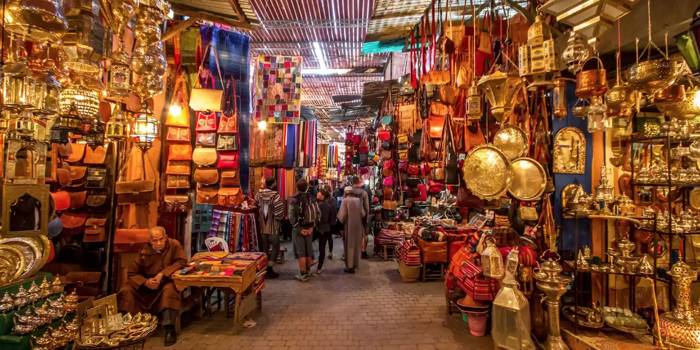
The maze of lanes and workshops: leather, brass, fabrics, spices and the art of haggling.
The ancient Quranic school, with its marble courtyard and walls carved in stucco and zellij.
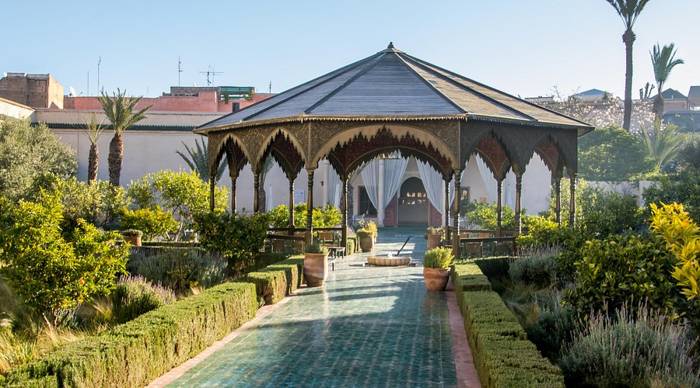
A historic garden hidden in the heart of the medina, among pavilions, palms and water channels.
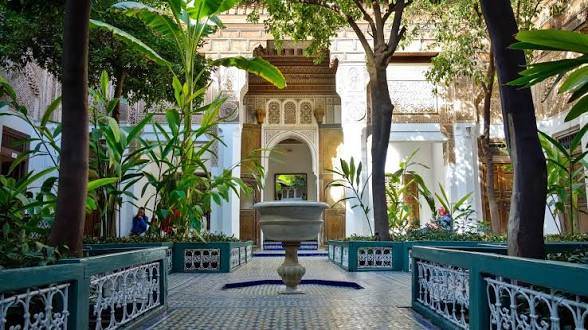
Courtyards, flowering patios and painted cedar ceilings: the finest nineteenth-century palace in the city.
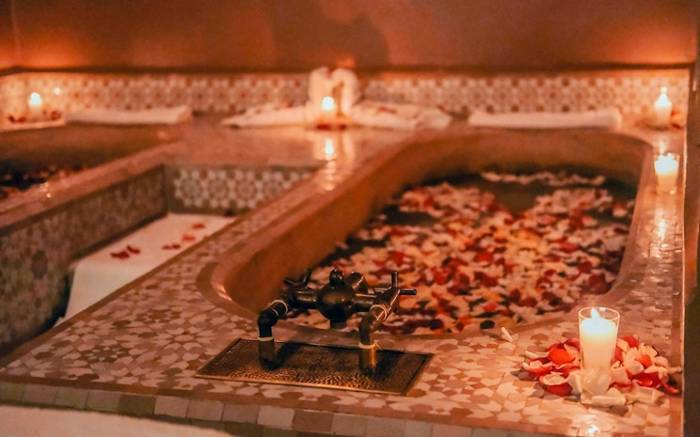
The steam bath ritual with savon beldi and ghassoul: relaxation and tradition together.
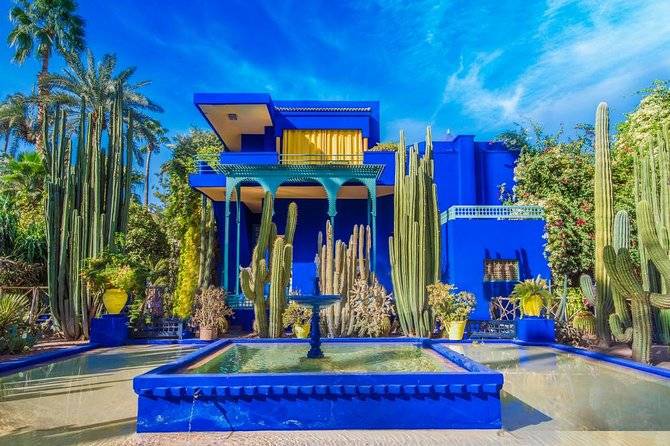
The unmistakable blue of Jacques Majorelle's villa, among cacti, bamboo and fountains.
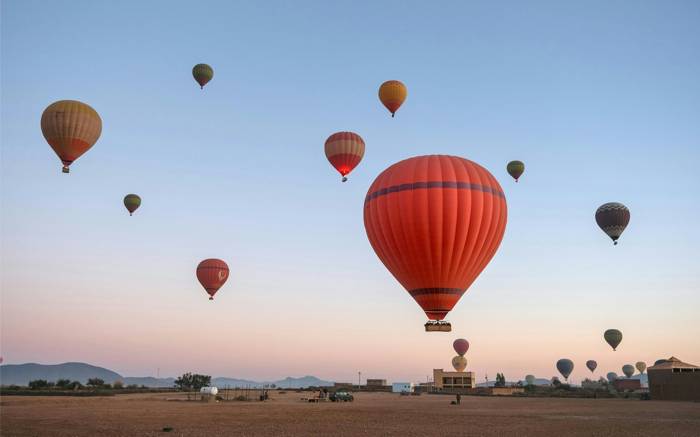
At dawn, above the stone desert and the villages, with the snowy Atlas on the horizon.
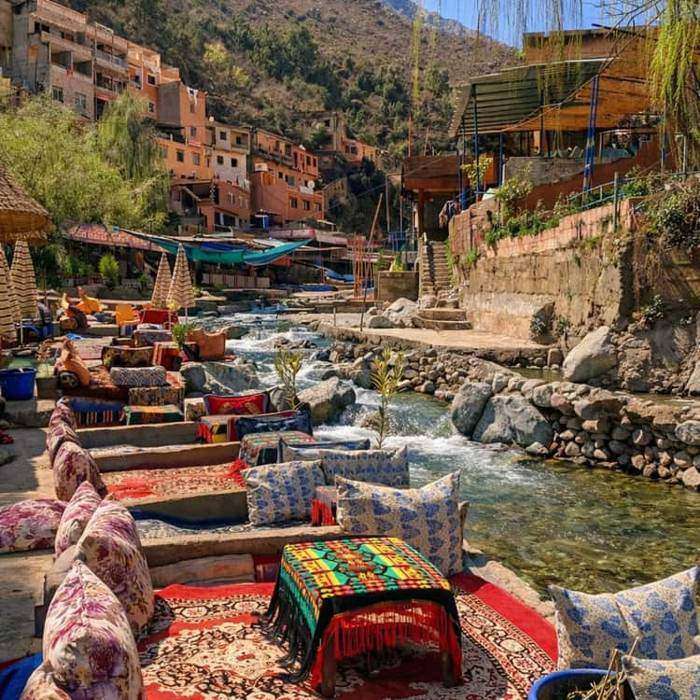
An hour's drive and you are among Berber villages, riverside cafés and the valley's waterfalls.
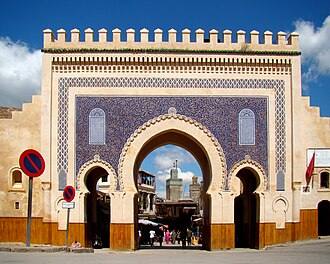
The spiritual capital, among madrasas, tanneries and the green roofs of the mosques.
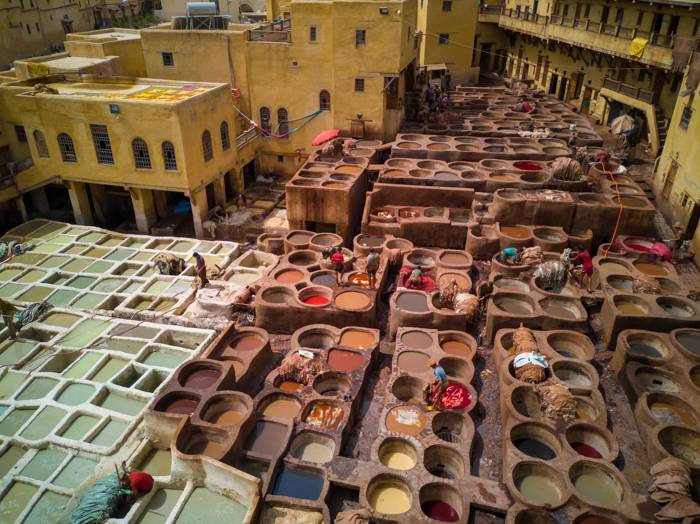
The open-air dyeing vats, in use since the Middle Ages: you watch them from the terraces of the leather shops.
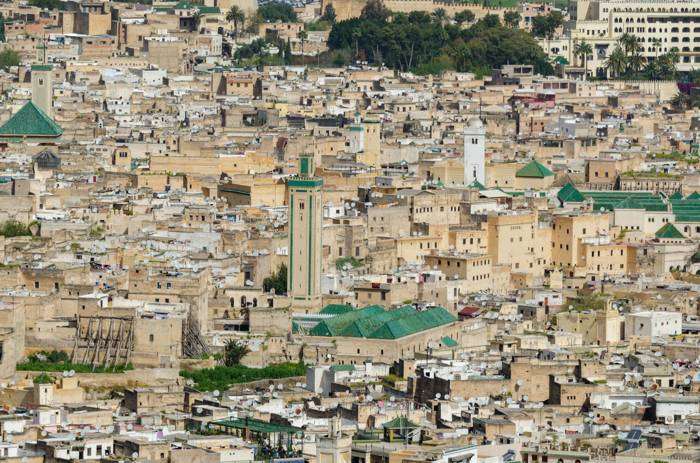
Fes el-Bali, the largest medieval old town in the world: thousands of lanes, with no cars.
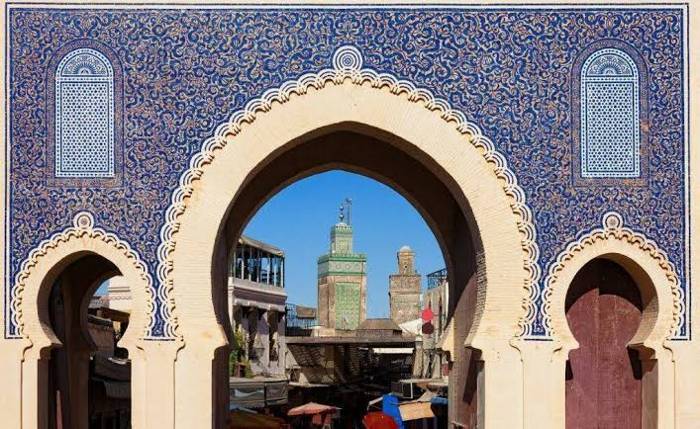
The blue gate, the monumental entrance to the medina: blue from outside, green from within.
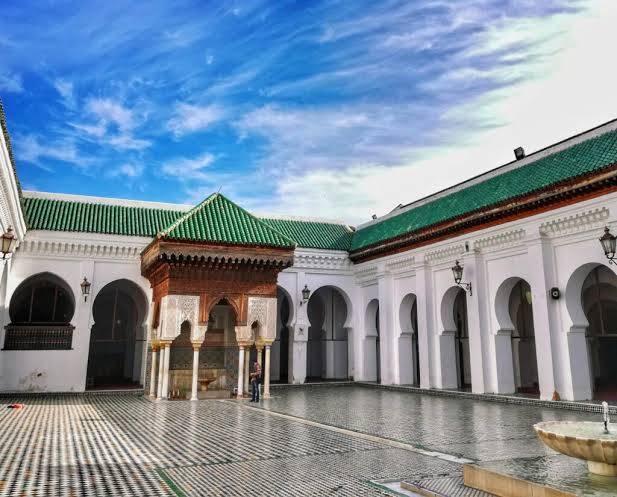
Founded in 859, considered the oldest university still in operation in the world.
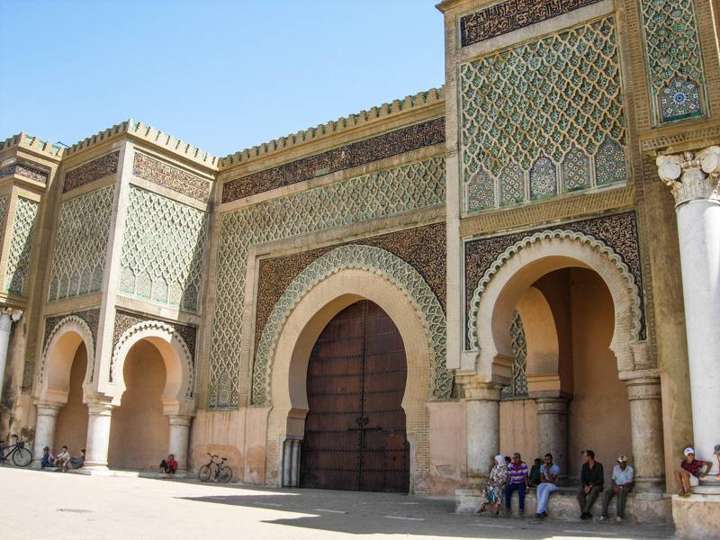
The least known imperial city, with honey-coloured monumental gates.
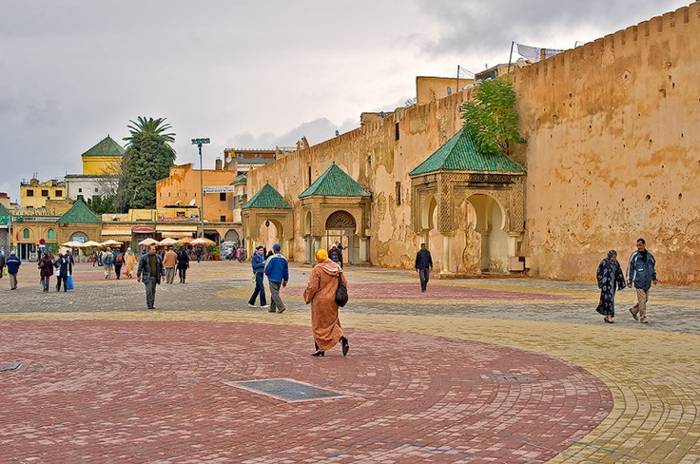
Place El Hedim and the lanes of the old town, far less crowded than those of Fez and Marrakech.
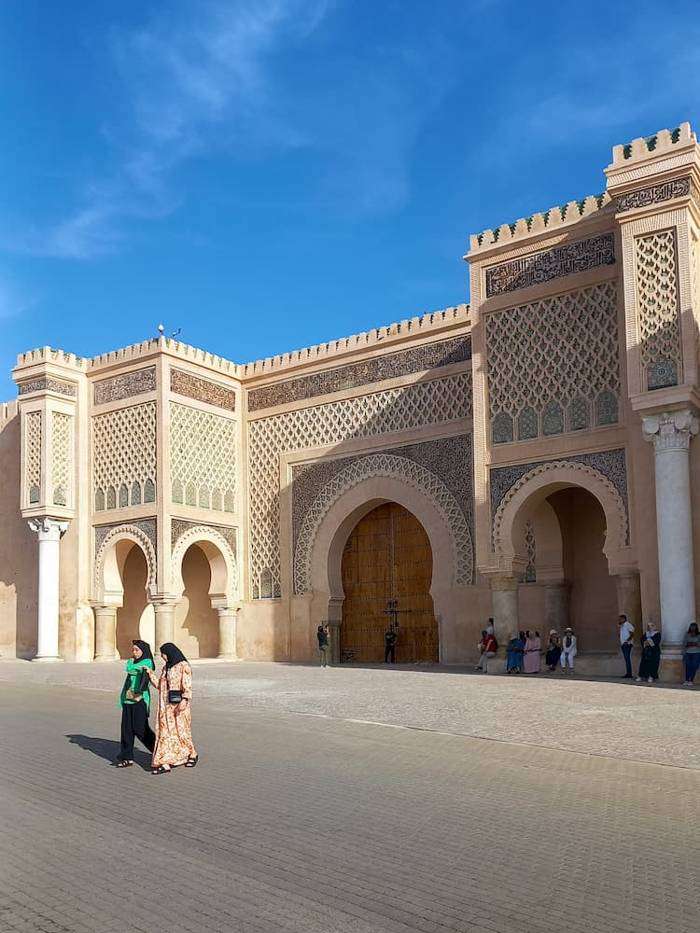
The most imposing monumental gate in Morocco, with zellij and reclaimed marble columns.
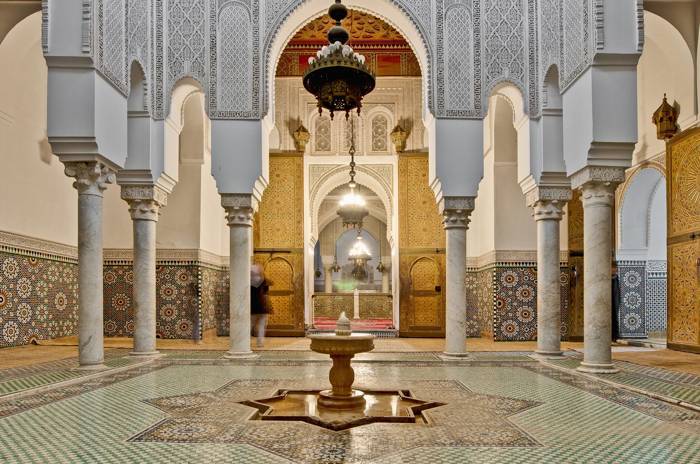
The tomb of the sultan who made Meknes his capital: stucco, zellij and silent courtyards.
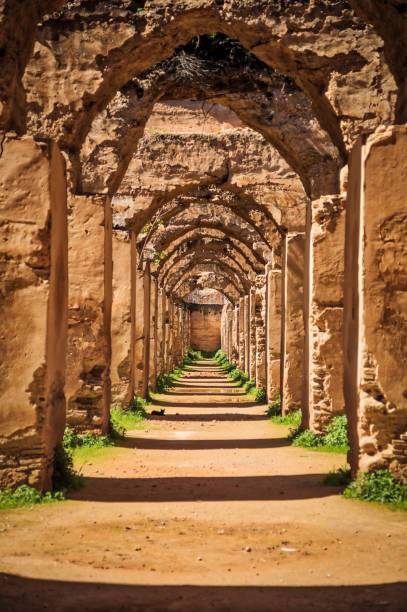
Arches as far as the eye can see: the granaries and stables that housed thousands of the sultan's horses.
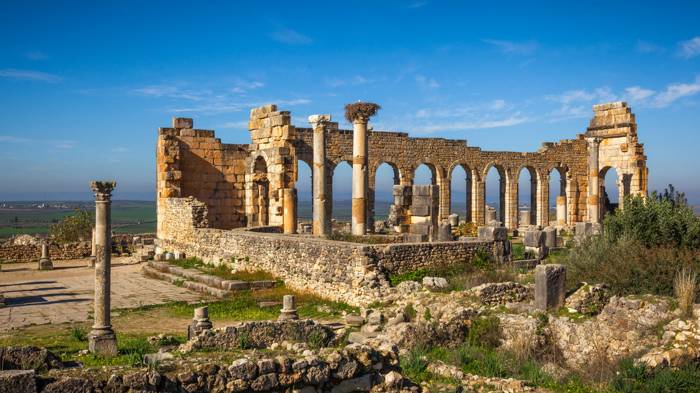
Half an hour from the city, the best preserved Roman town in Morocco, a UNESCO World Heritage site, among mosaics and columns.
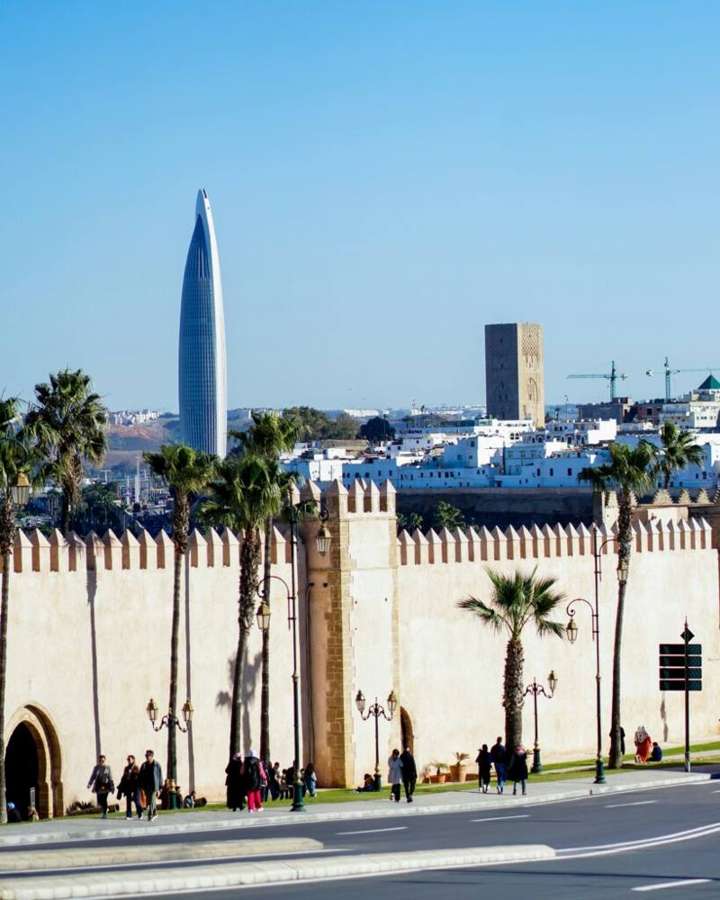
The modern capital, on the Atlantic coast, white like the cities of the Mediterranean. The old town is a UNESCO World Heritage site.
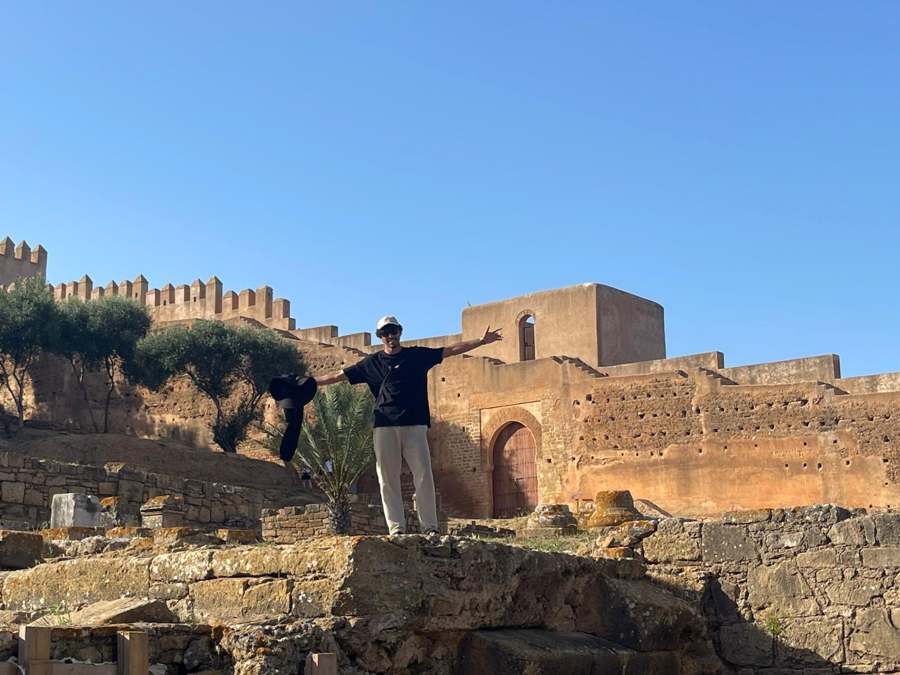
A medieval necropolis built over a Roman city, among olive trees, ruins and the storks nesting on the minarets.
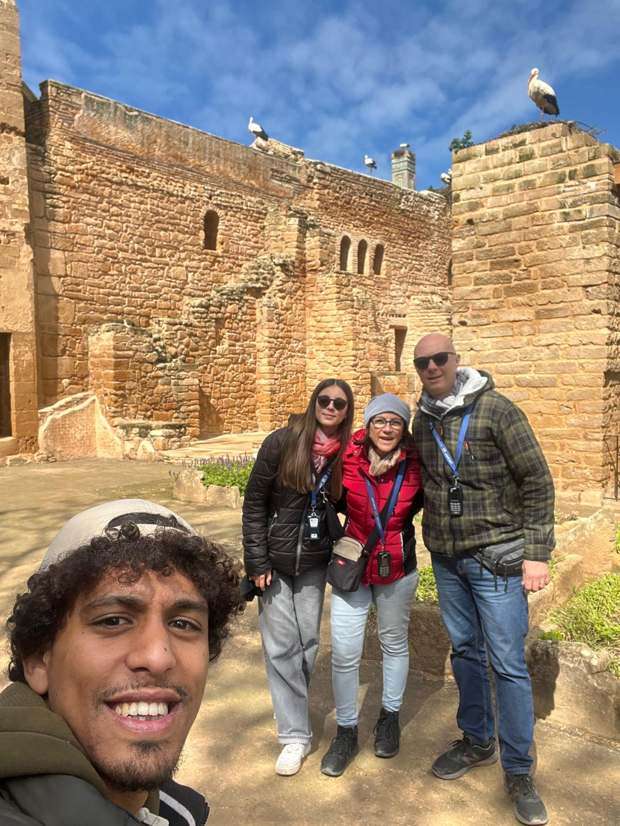
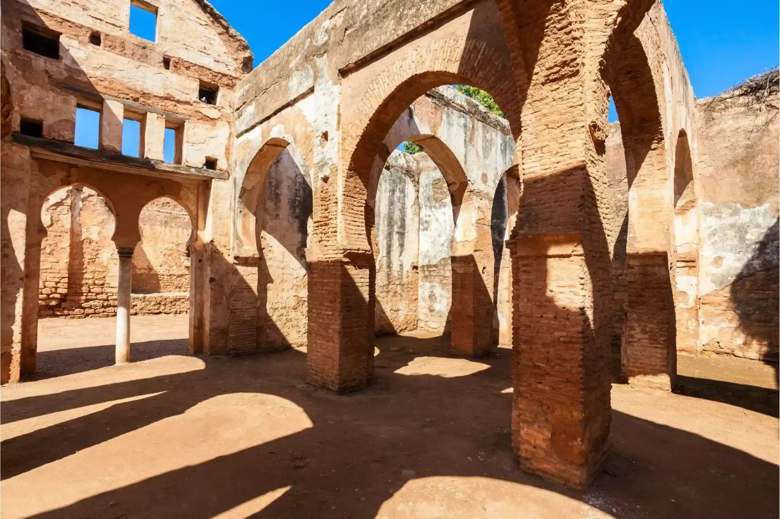
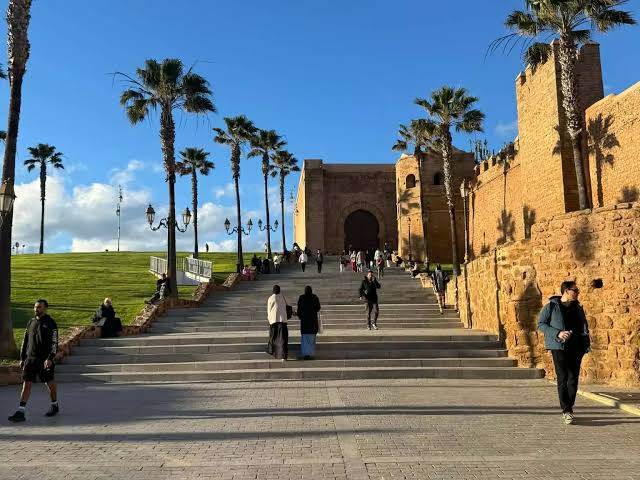
The citadel overlooking the ocean: white and blue lanes, an Andalusian garden and a view over the river mouth.
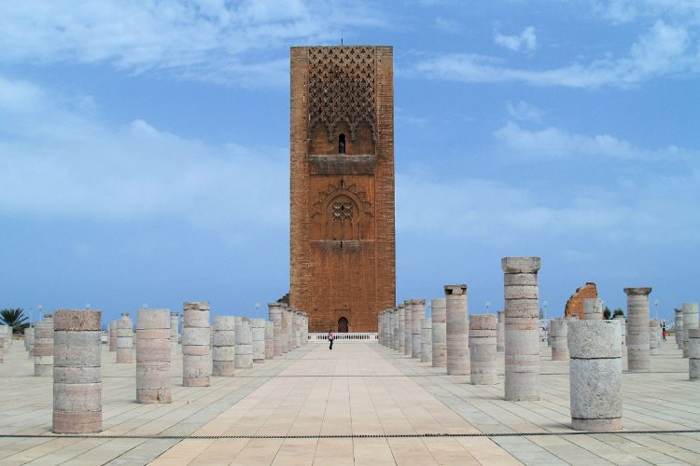
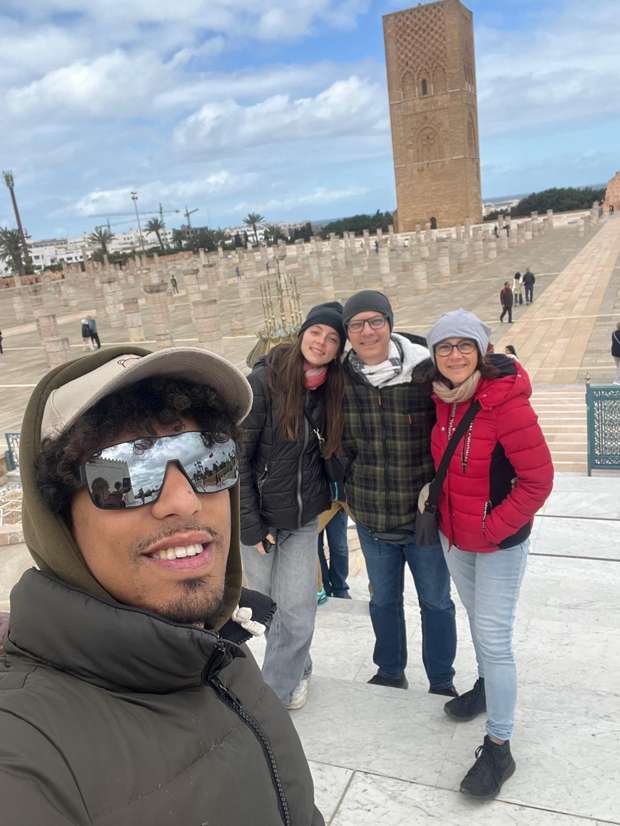
The unfinished twelfth-century minaret, surrounded by the columns of a mosque that was never completed.
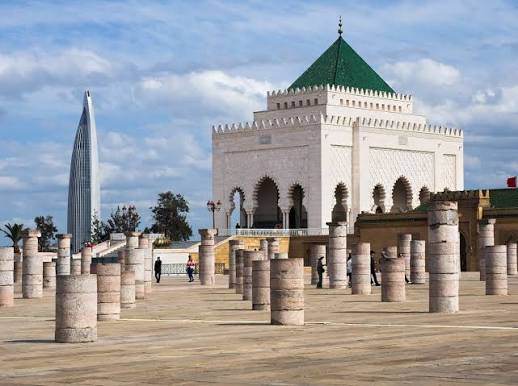
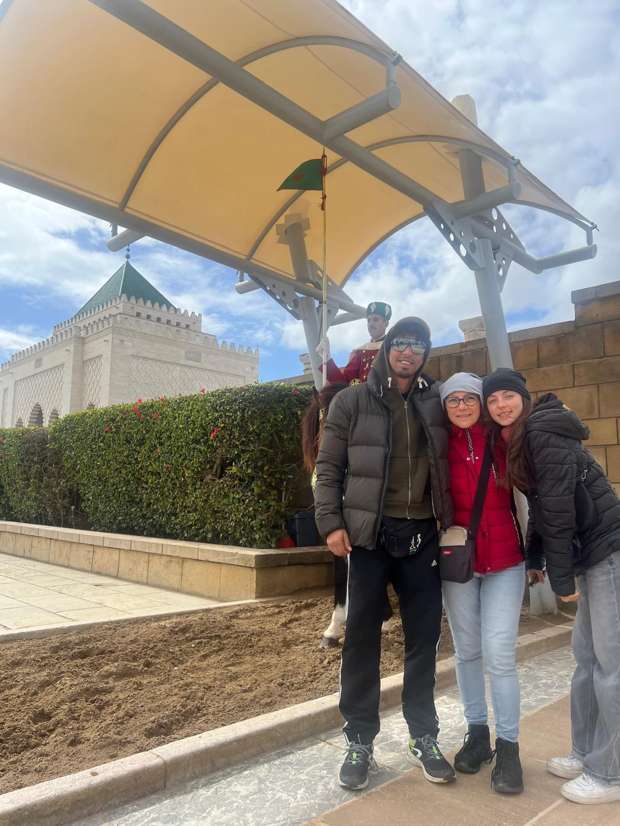
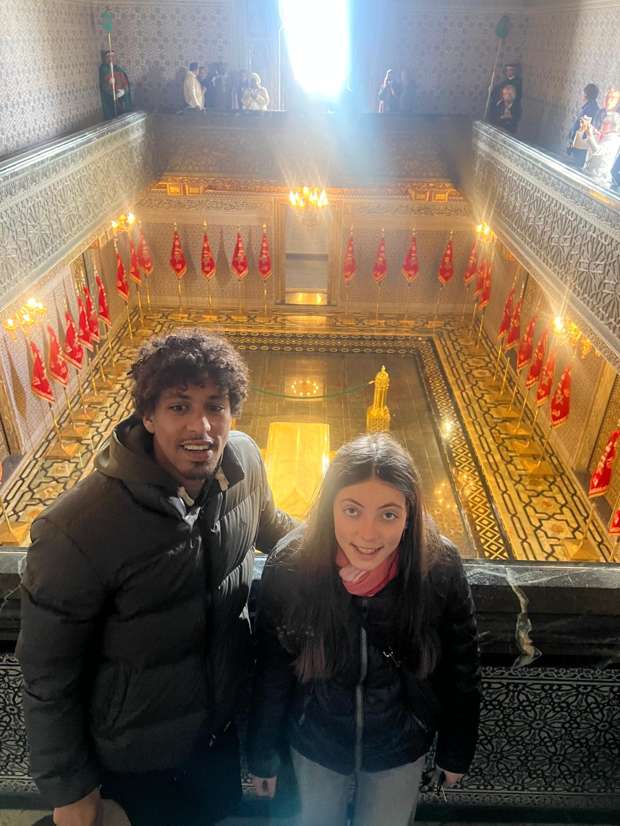
White marble and a green roof, with the royal guard on horseback at the entrance: Mohammed V and Hassan II rest here.
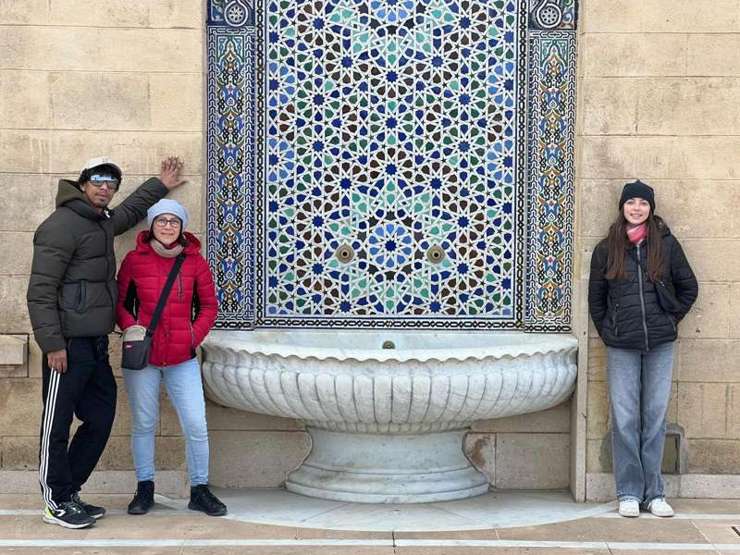
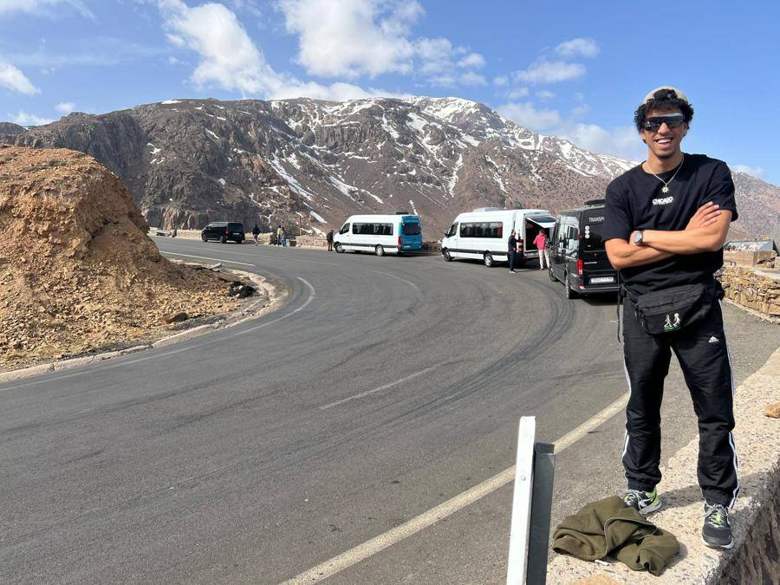
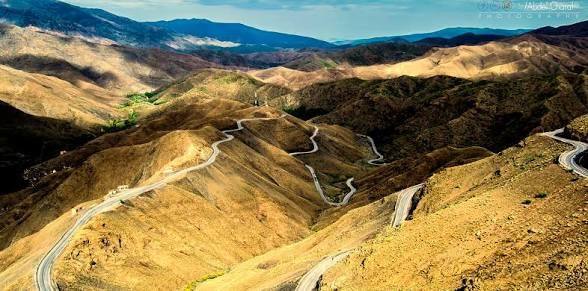
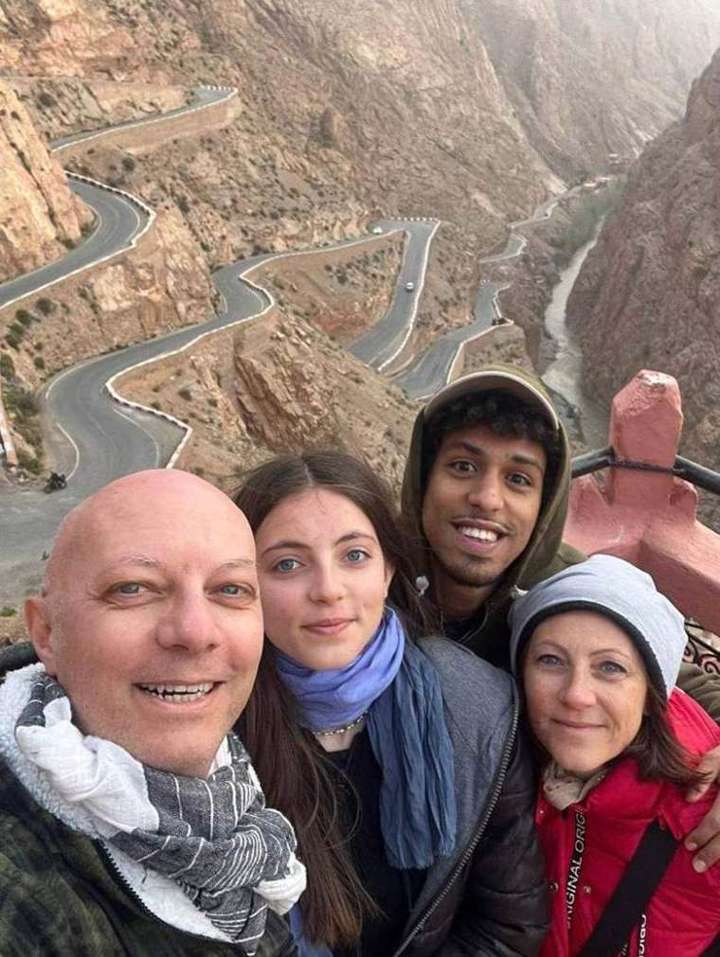
The mountain road that crosses the High Atlas among hairpin bends and breathtaking views.
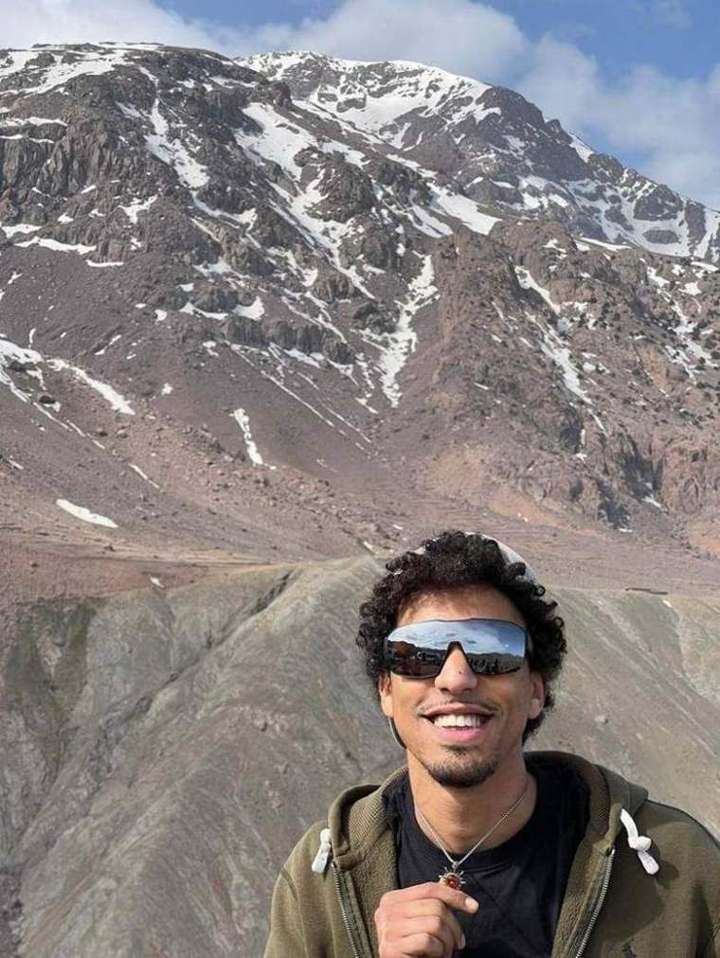
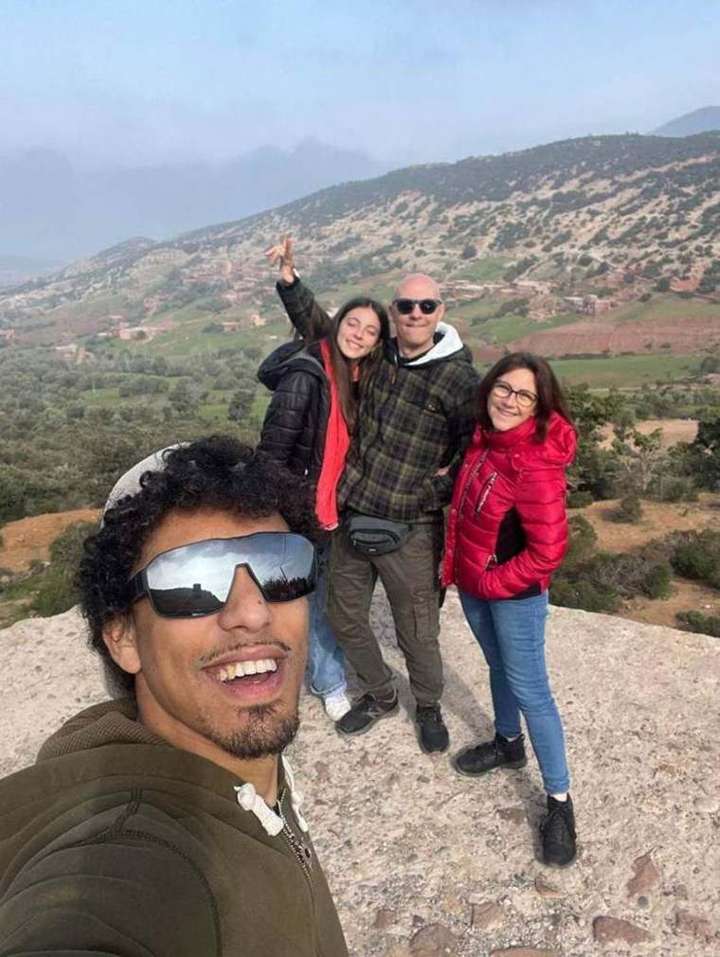
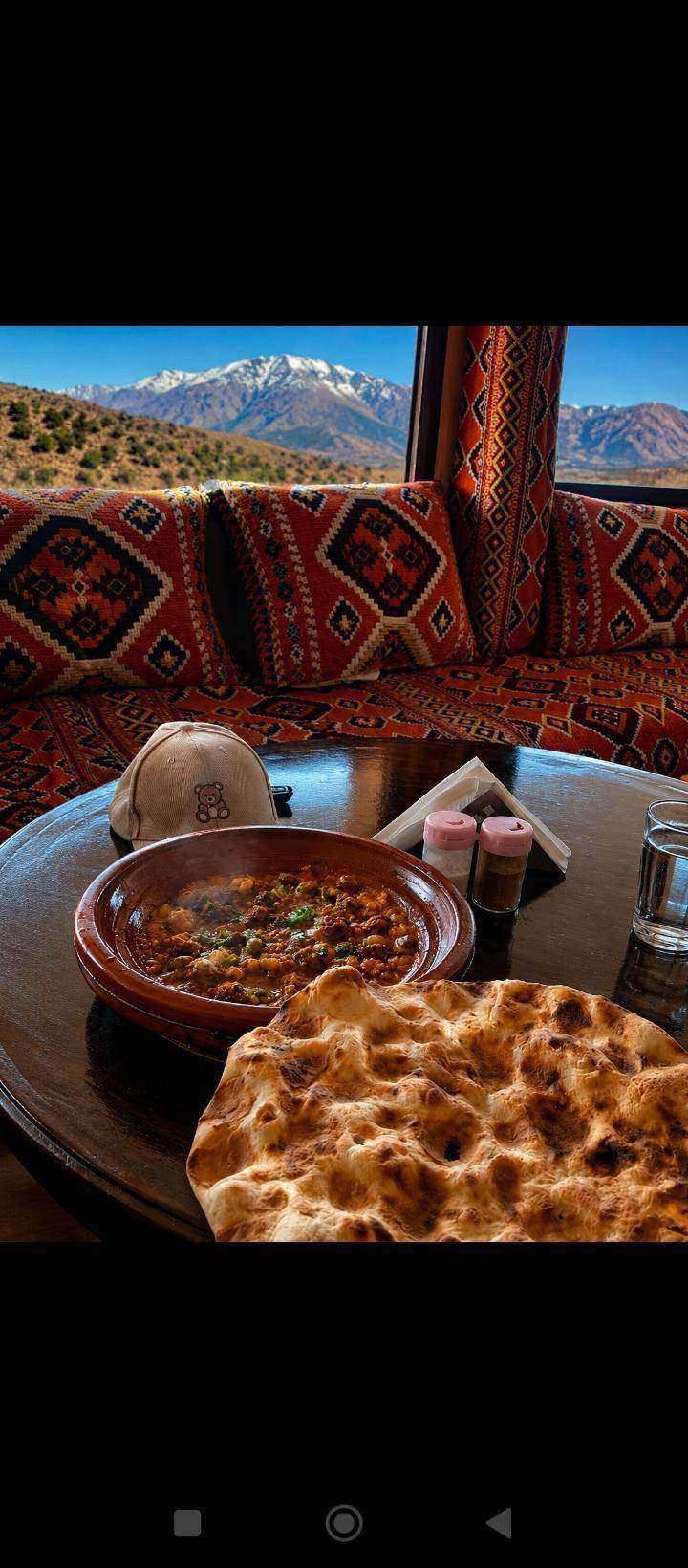
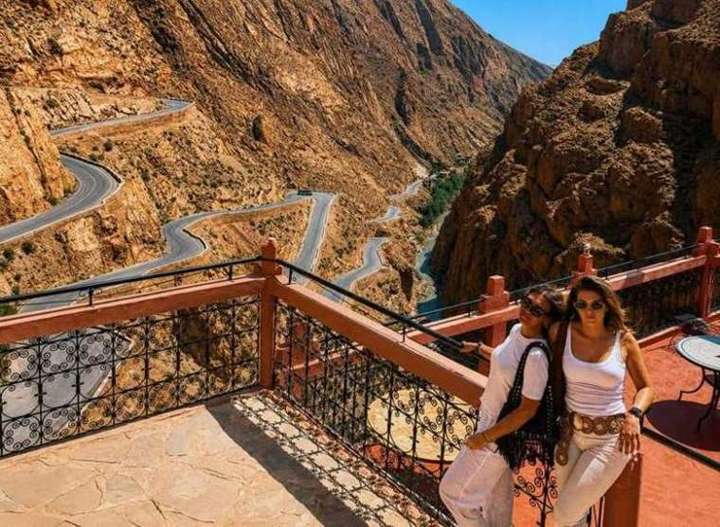
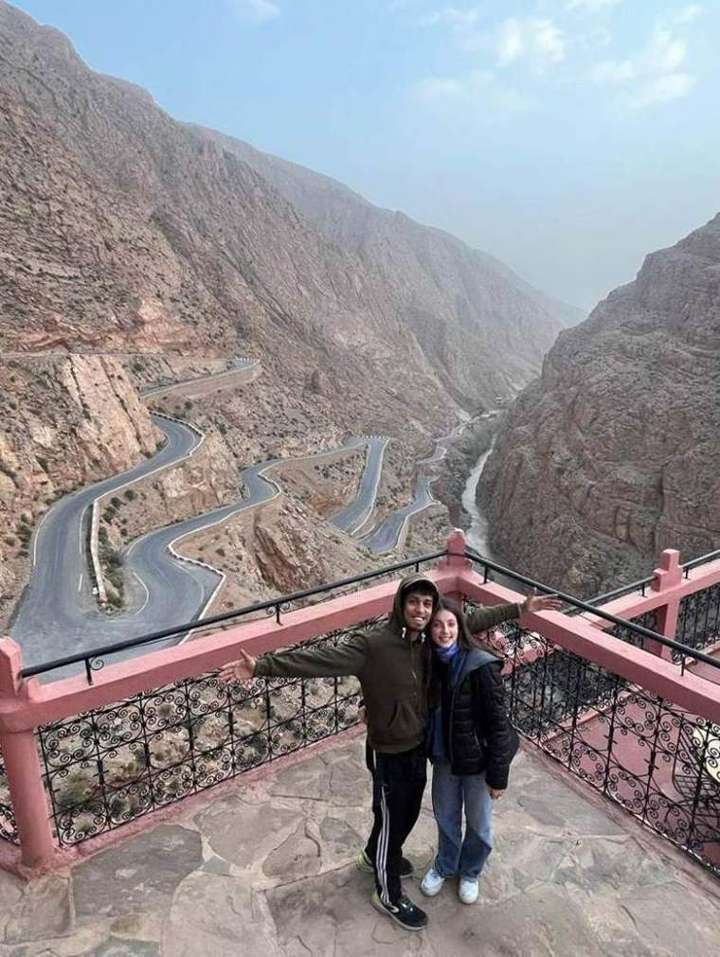
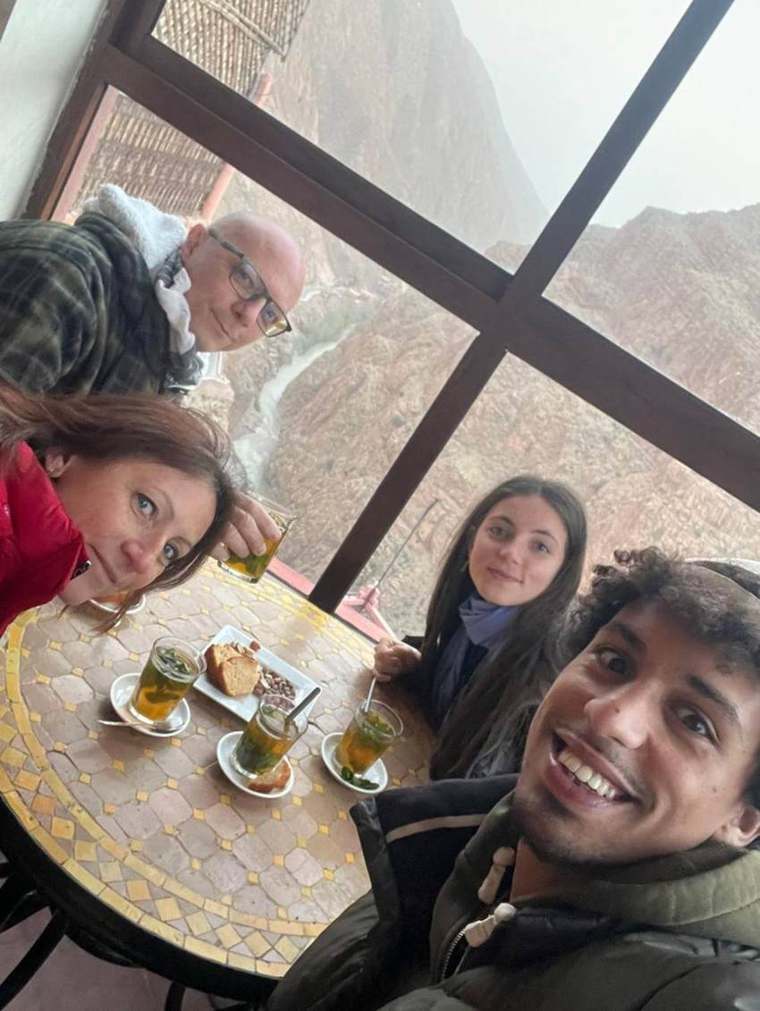
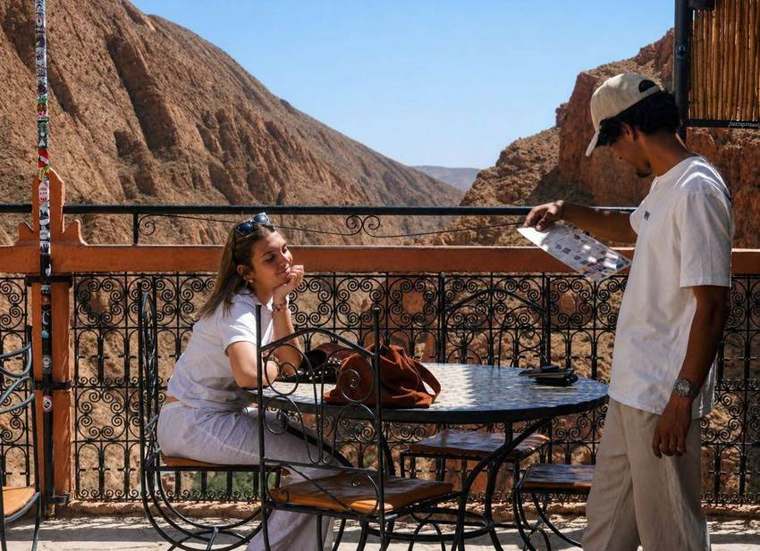
Canyons carved into the red rock, between sheer walls and Berber villages.
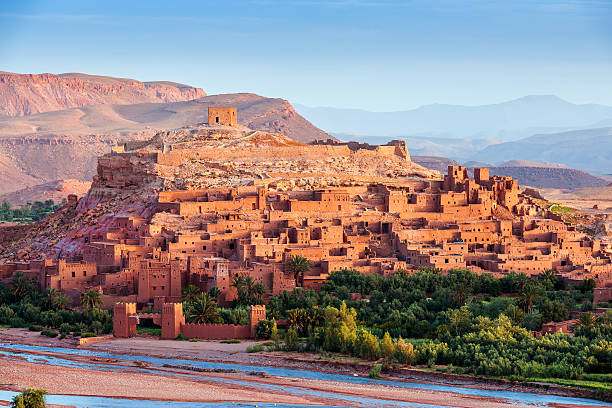
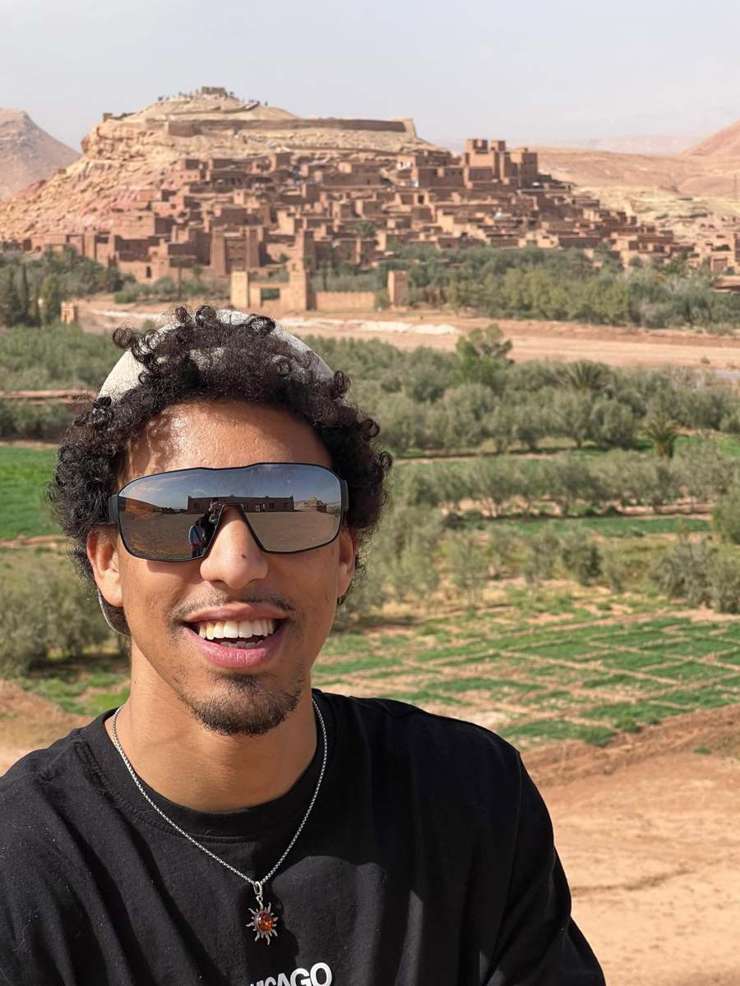
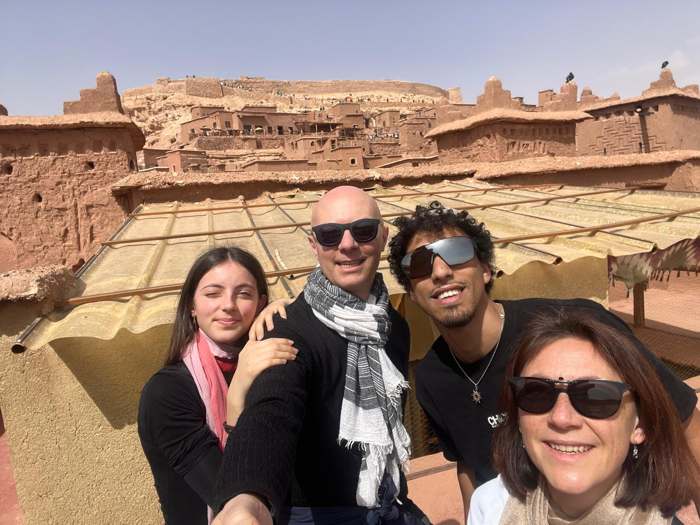
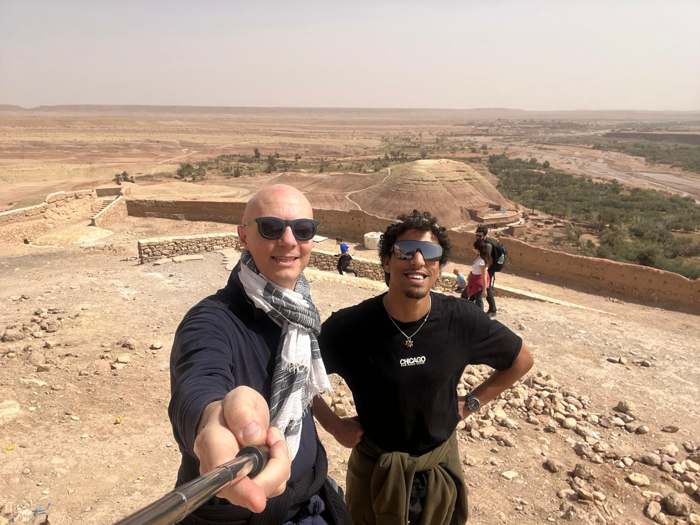
Morocco's most famous mud-brick ksar, a UNESCO World Heritage site, perched on the hill along the ancient caravan route. The set of dozens of films, from Gladiator to Game of Thrones.
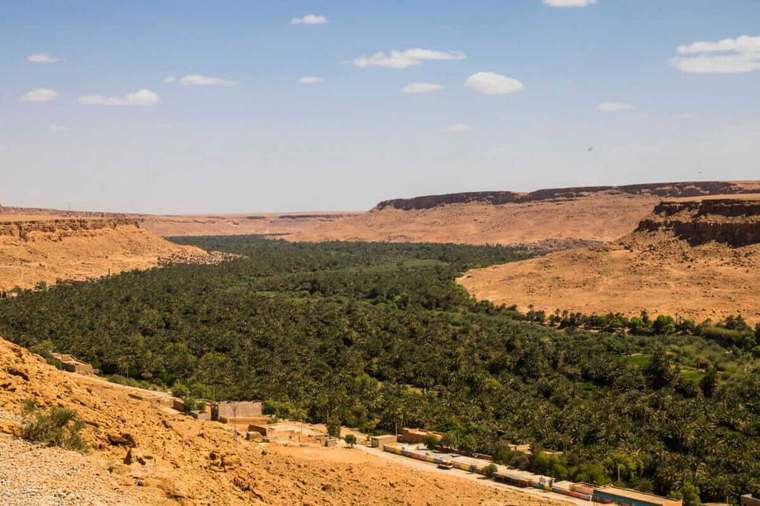
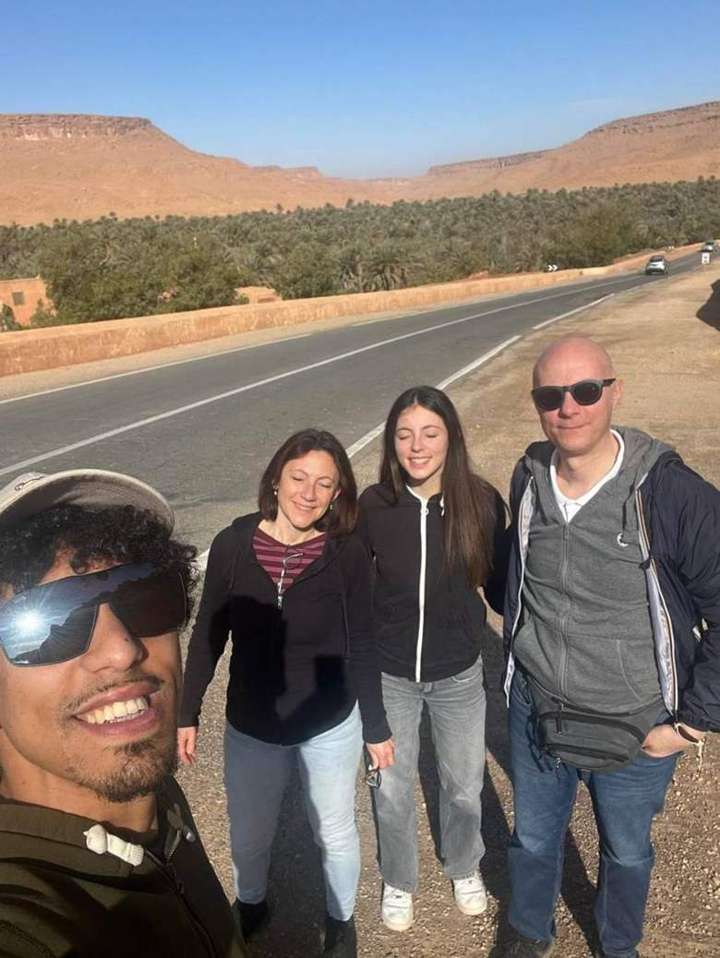
An immense green palm grove cutting through the desert between red cliffs, along the road to Merzouga.
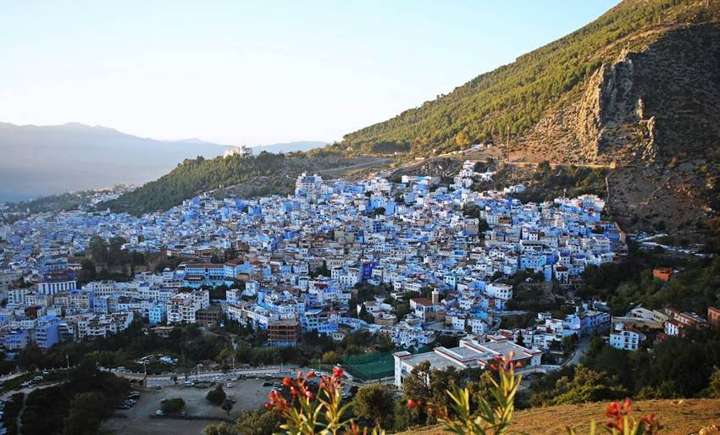
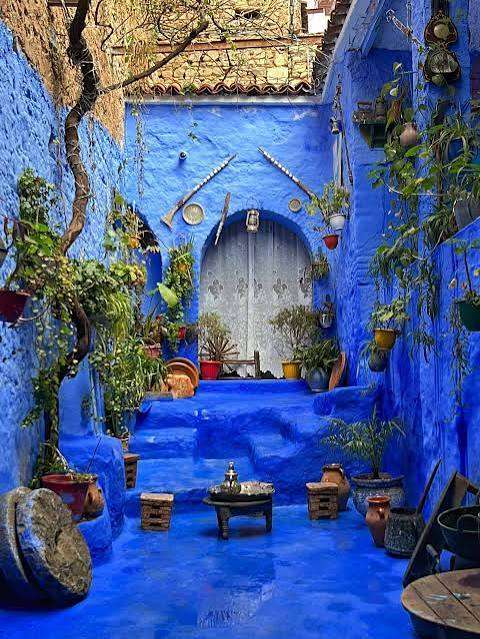
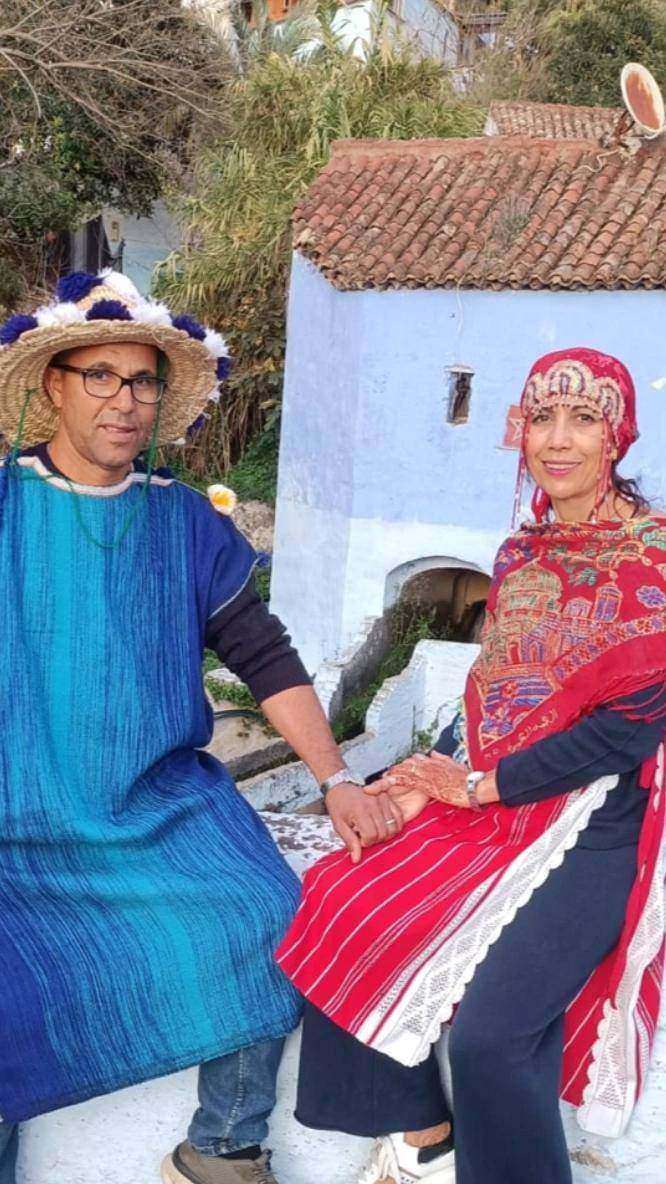
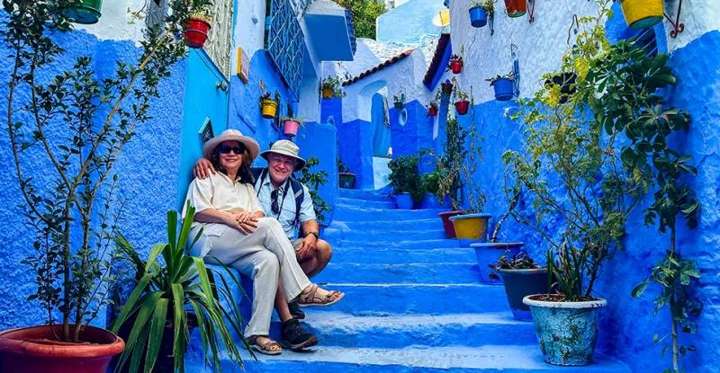
The blue city set in the Rif: a medina of light-blue lanes among the mountains, Andalusian in origin.
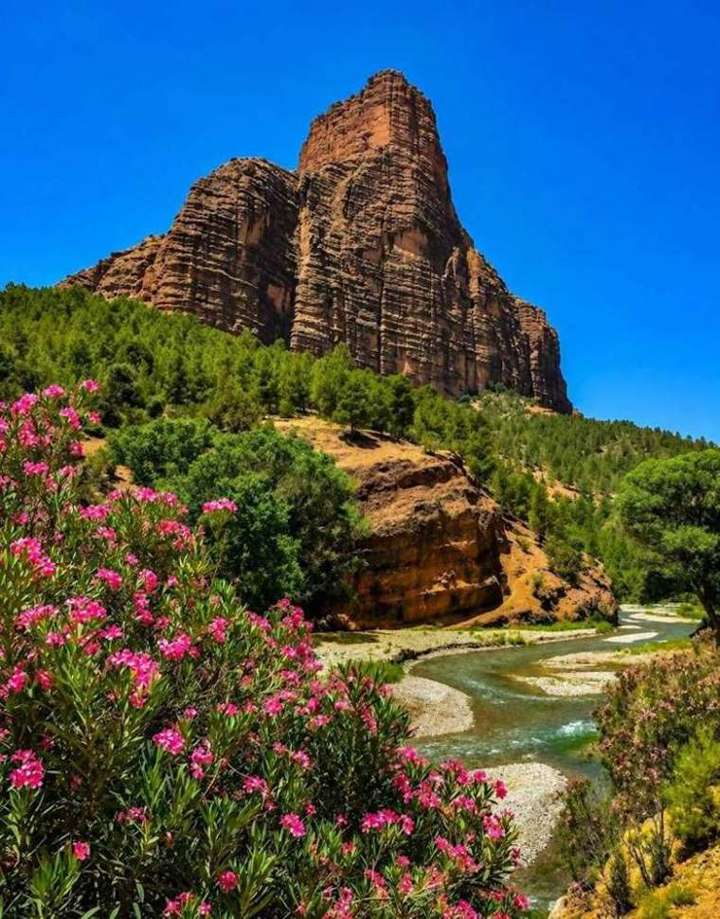
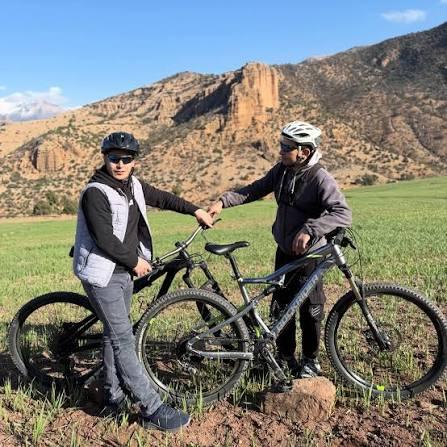
An imposing rock wall rising above the valley, between river and pine woods: an ideal base for outdoor activities.
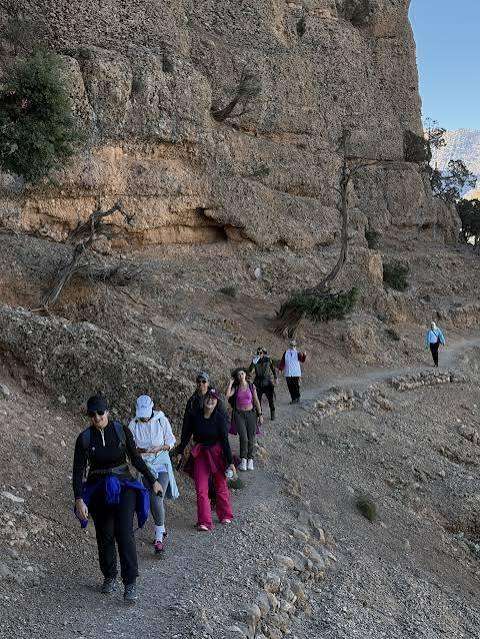
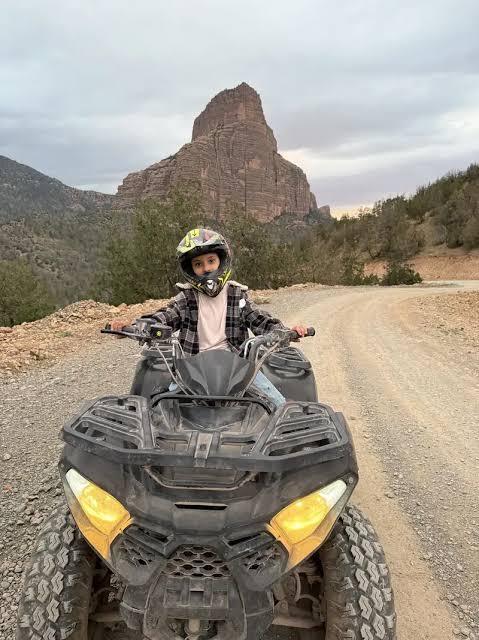
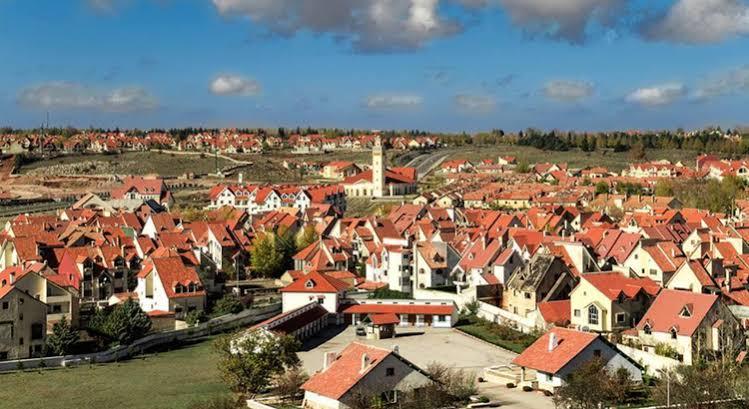
The "little Moroccan Switzerland": sloping roofs, fresh mountain air and manicured gardens in the Middle Atlas.
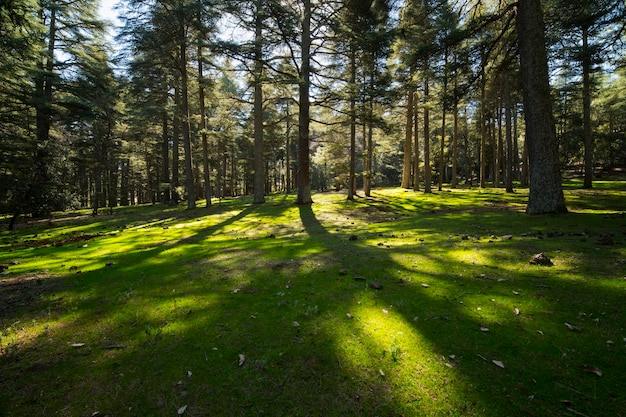
Centuries-old cedars and green clearings, where Barbary macaques live free.
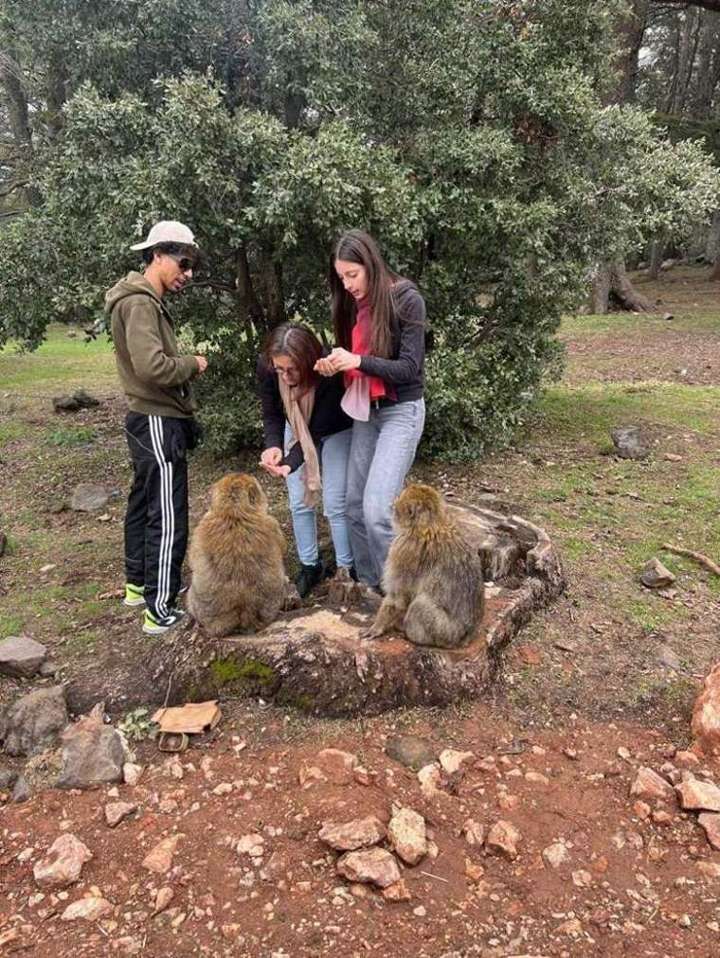
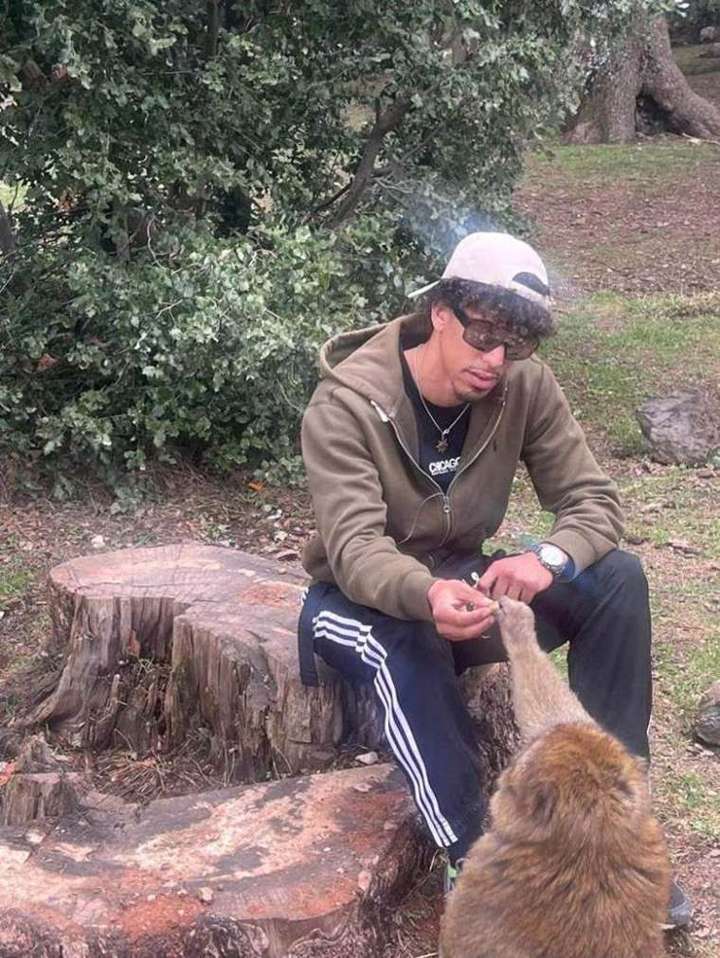
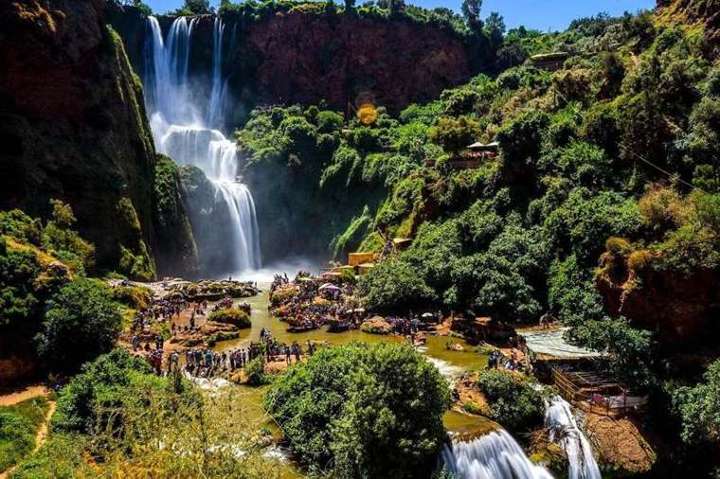
The highest waterfalls in North Africa: over a hundred metres of cascades among olive trees and red walls, with monkeys peering down from the branches.
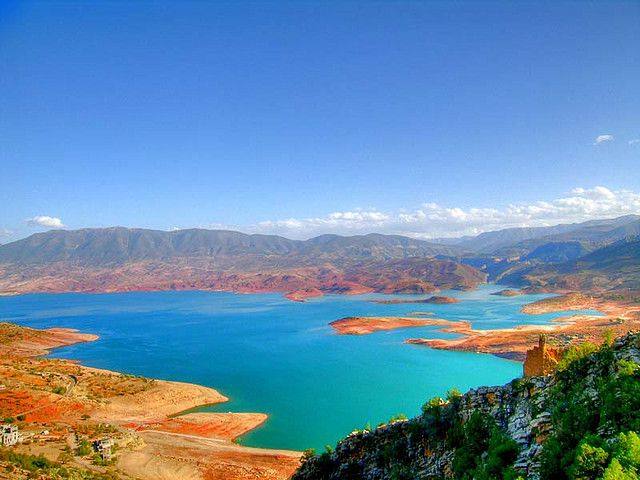
A turquoise lake set among the red mountains of the High Atlas, in the Azilal region. Not far away, the Ouzoud Falls, the highest in North Africa.
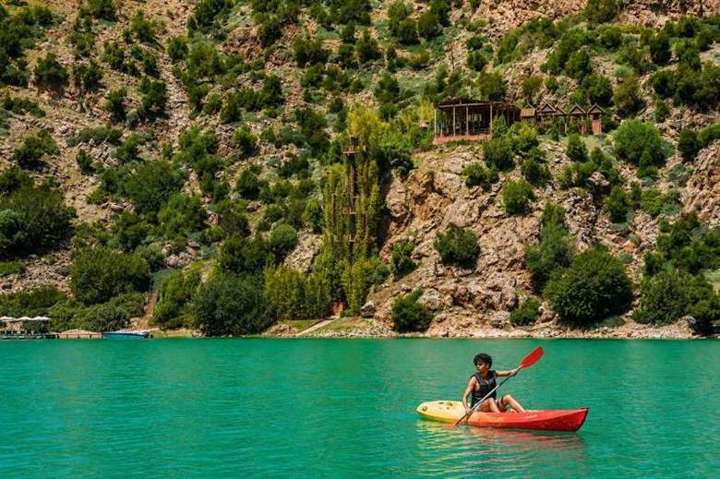
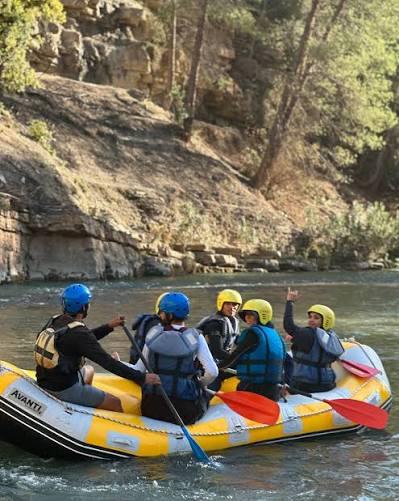
You paddle across emerald-green water, with red rock walls all around.
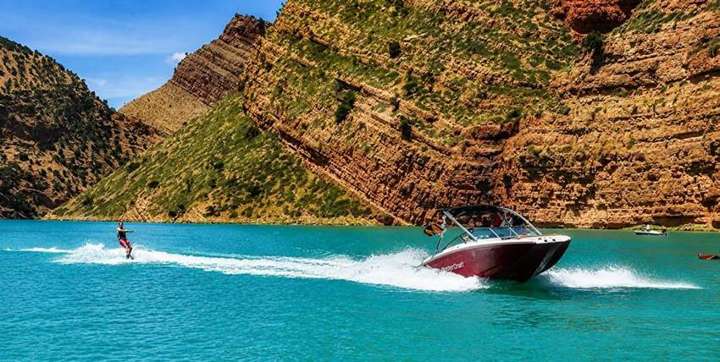
For those after a rush: water sports in the middle of the mountains.
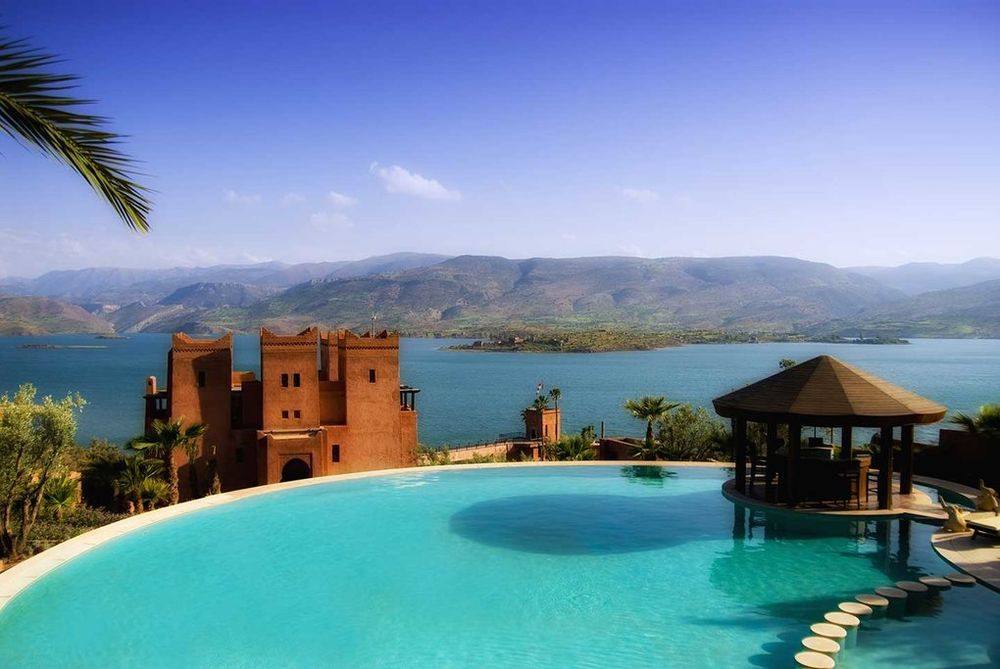
Kasbahs and terraces overlooking the water, for a slow stop among the mountains.
Morocco's gateway on the Strait of Gibraltar, a city of writers and travellers, where Africa looks across at Europe.
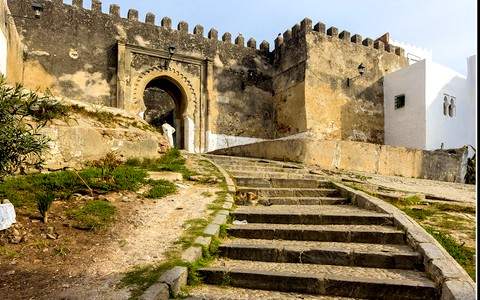
The panoramic lanes of the citadel overlooking the Strait, with the museum in the sultan's former palace.
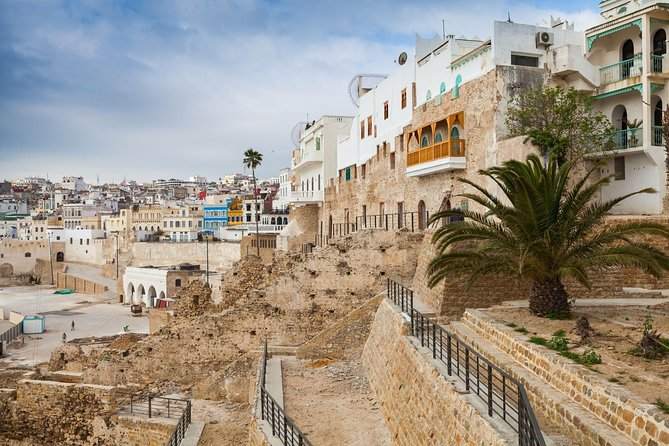
Souks, historic cafés and craft workshops among the white lanes running down to the port.
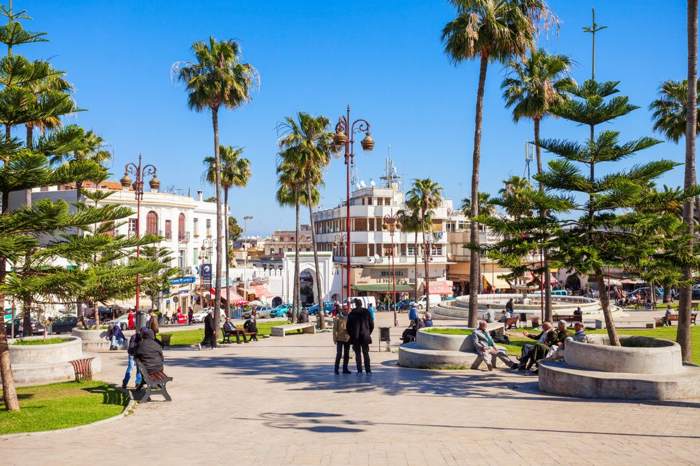
The lively square that hinges the medina to the new town: the real heart of Tangier.
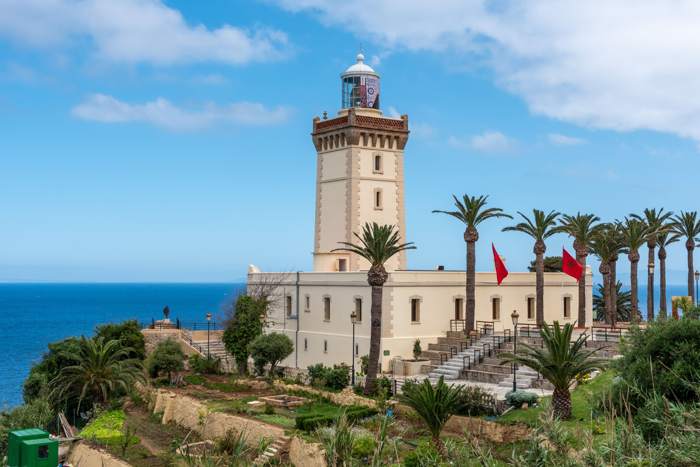
The point where the Atlantic Ocean and the Mediterranean Sea meet, beneath the lighthouse on the cliff.
The "white dove" of the Rif, an Andalusian city facing the Mediterranean, with a UNESCO World Heritage medina.
White lanes, craft souks and traditional workshops: embroiderers, tanners and master woodworkers at work as they were centuries ago.
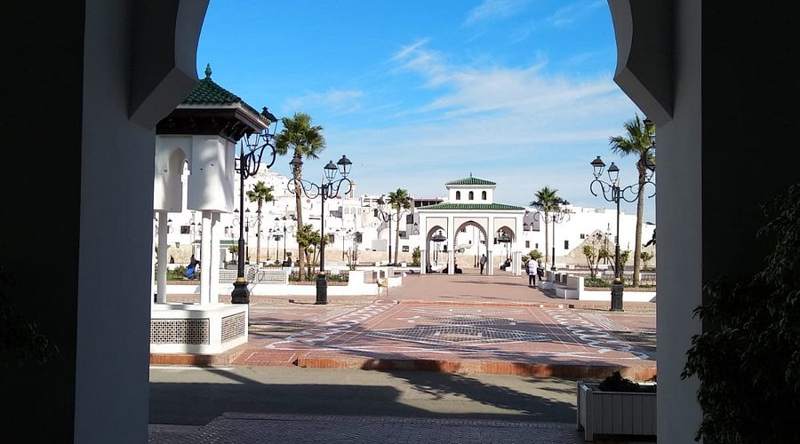
The great white and green square that acts as a threshold between the medina and the Spanish-influenced new town.
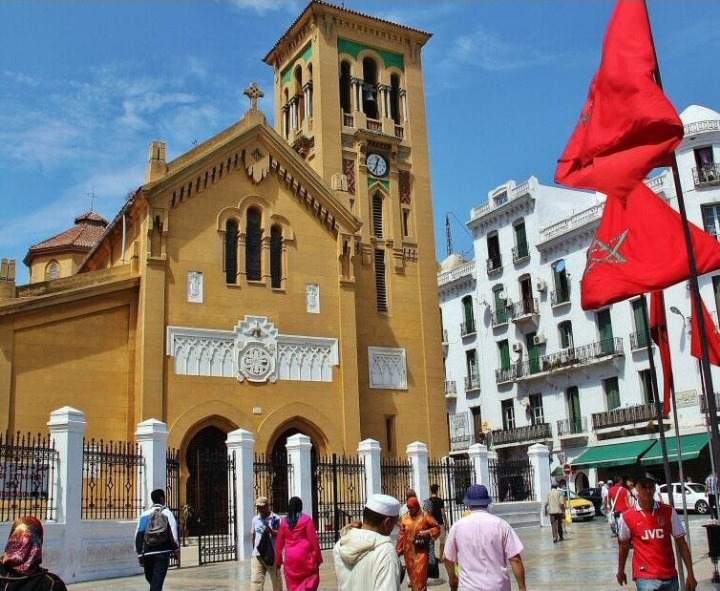
A trace of the Spanish colonial past, in the heart of the ensanche: a Christian bell tower among the minarets.
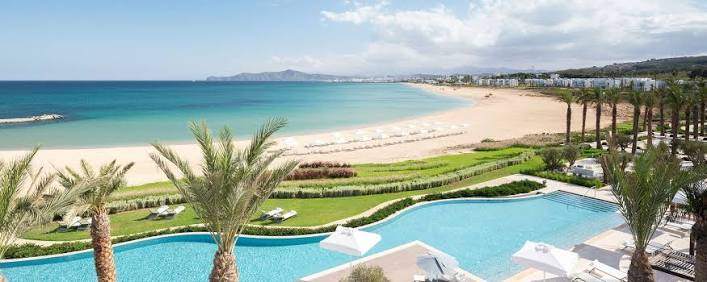
A long Mediterranean bay with beaches, beach clubs and water sports: the most elegant stretch of coast in the north.
A Mediterranean coast with a clear Spanish influence, far off the mass tourism trail.
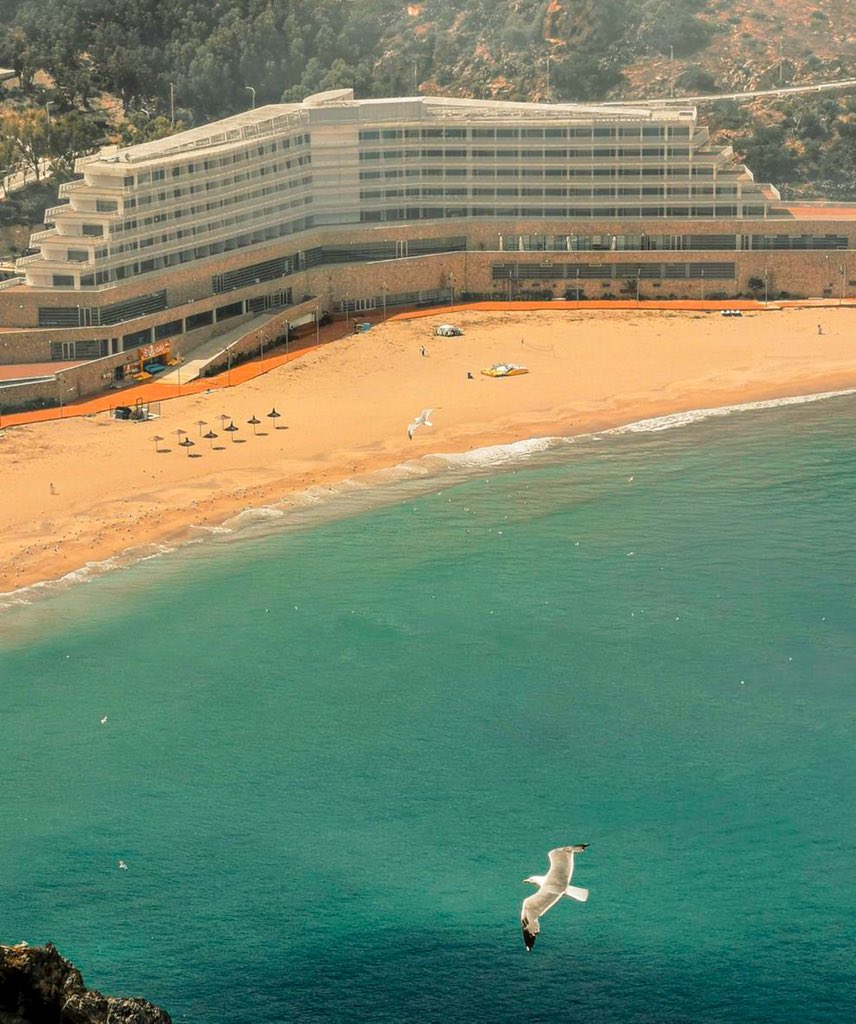
One of the city's most iconic beaches, right below the centre of Al Hoceima.
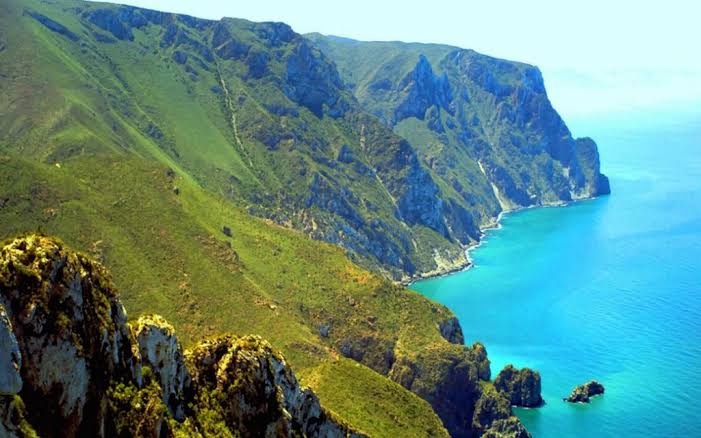
Panoramic trails, cliffs and unspoilt coves along the protected coastline.
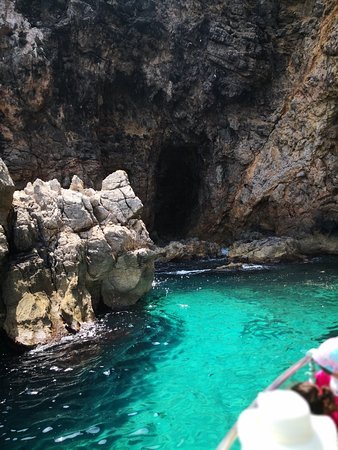
Sea caves and bays you can only reach from the water, among turquoise seas and rock walls.
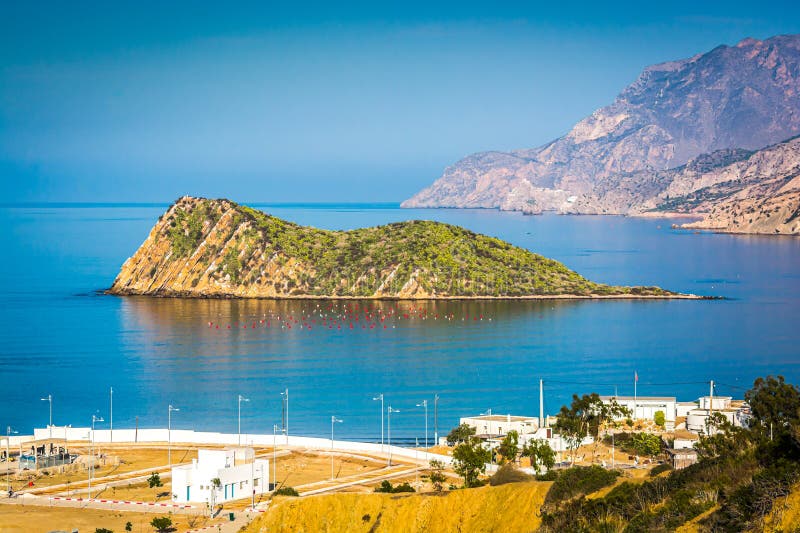
Turquoise sea and a calm atmosphere, among the finest coves on this stretch of coast.
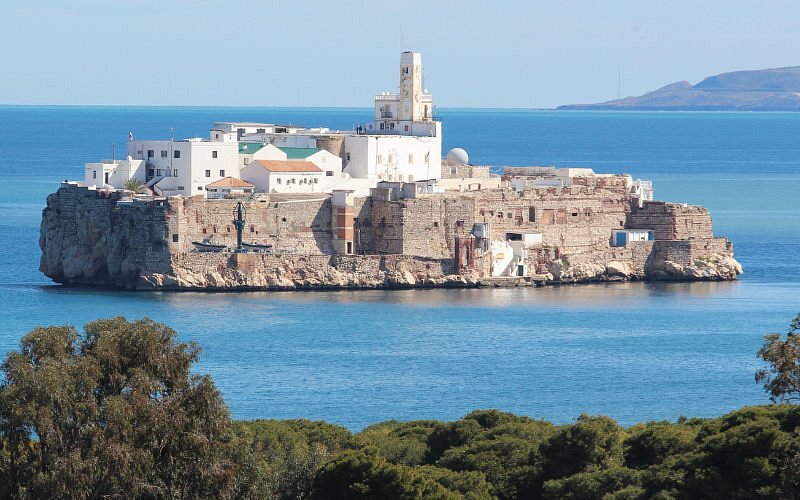
Sand and a view of the historic islet of Peñón de Alhucemas, a Spanish outpost just off the coast.
A border city, the gateway to the far north-east of Mediterranean Morocco.
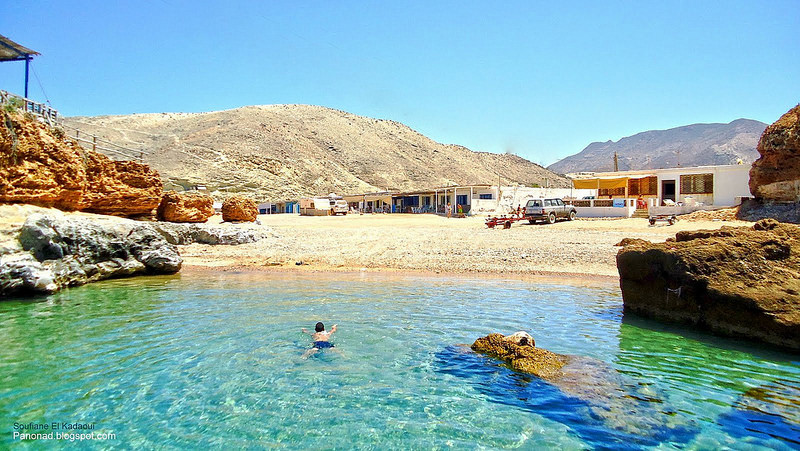
Relax among natural rock pools and very shallow water, minutes from the city.
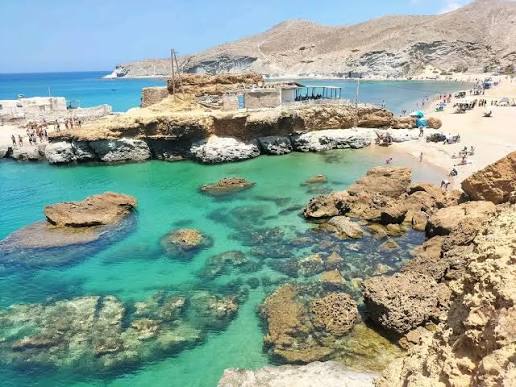
A wild headland with cliffs, coves and some of the finest views on the Moroccan Mediterranean.
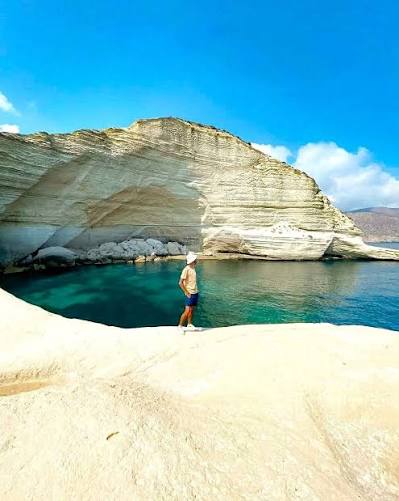
Pale rock walls dropping sheer into a sheltered cove, one of the most photographed corners of the coast.
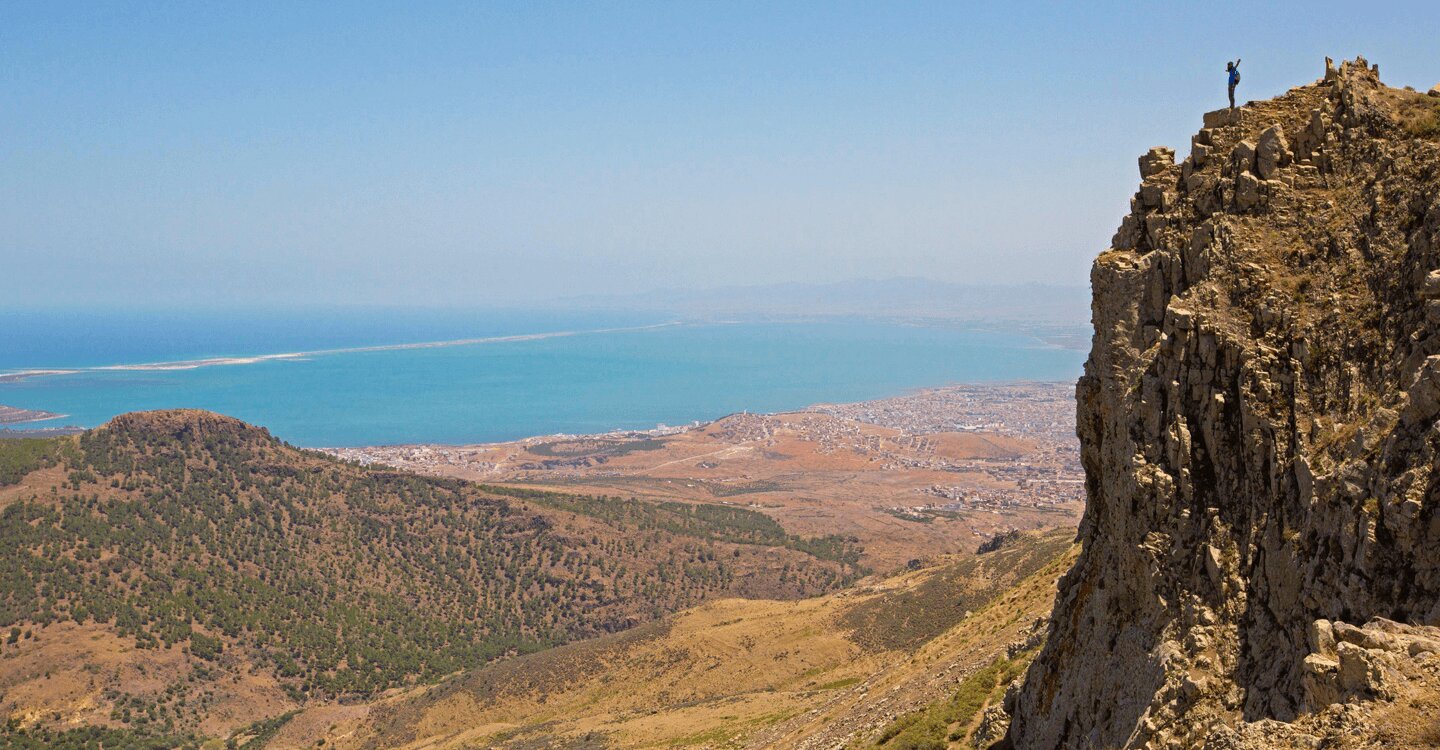
Panoramic trails with views over Nador, the lagoon and the Mediterranean.
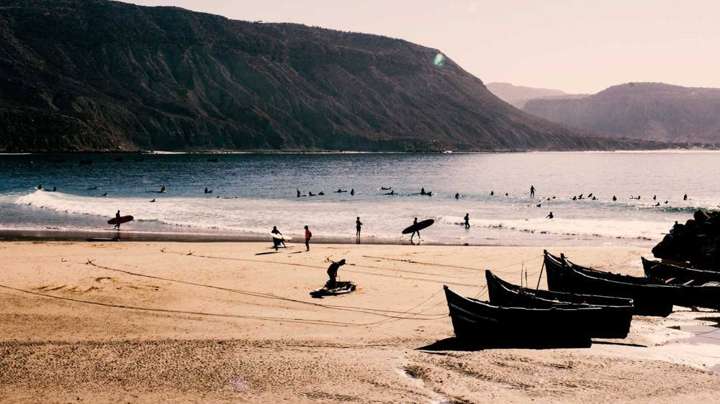
A bay set between the cliffs, one of the most striking spots on the Atlantic coast.
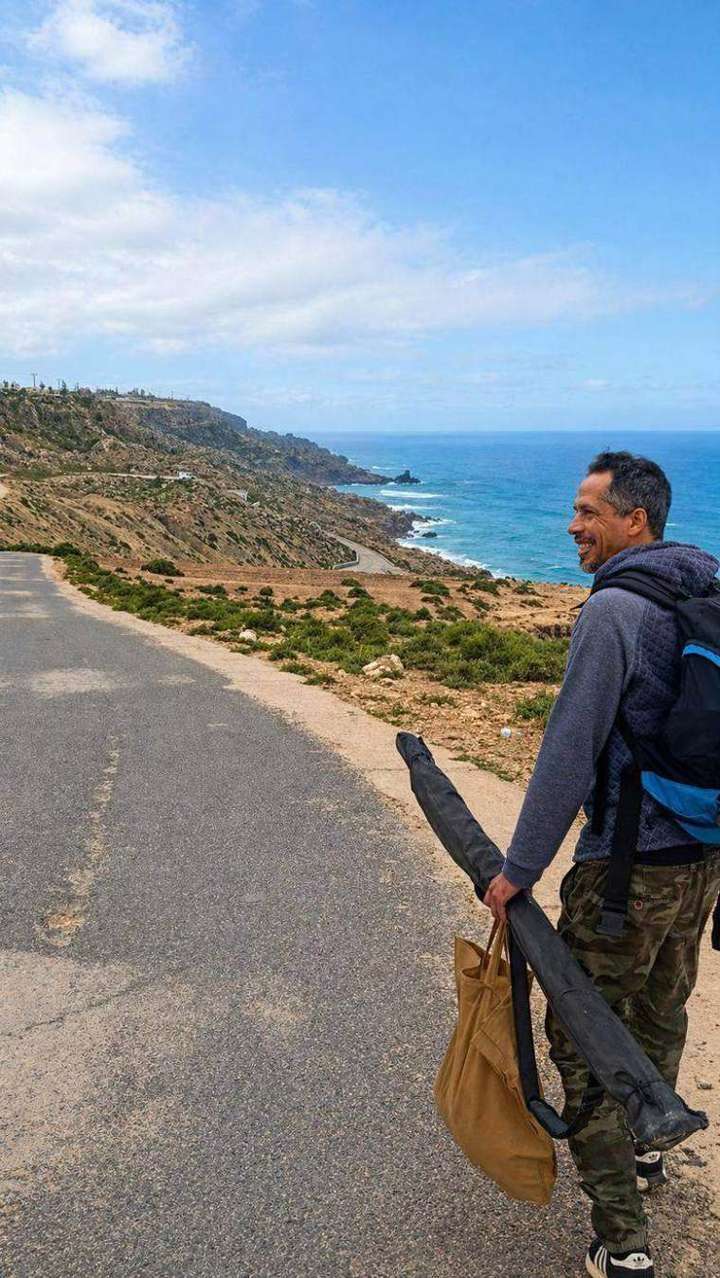
We start from the cliff to spot the right place, then walk down along the coast to the shore.
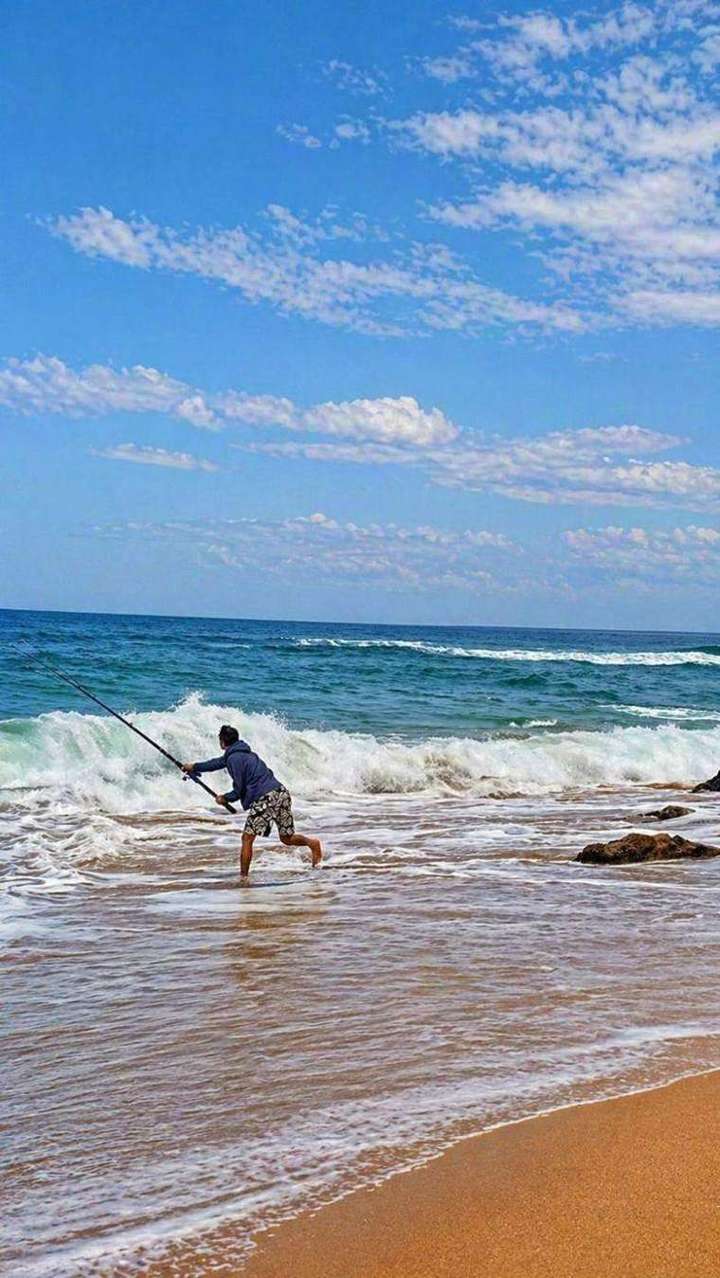
From there you fish right in the surf, the way it has always been done around here.
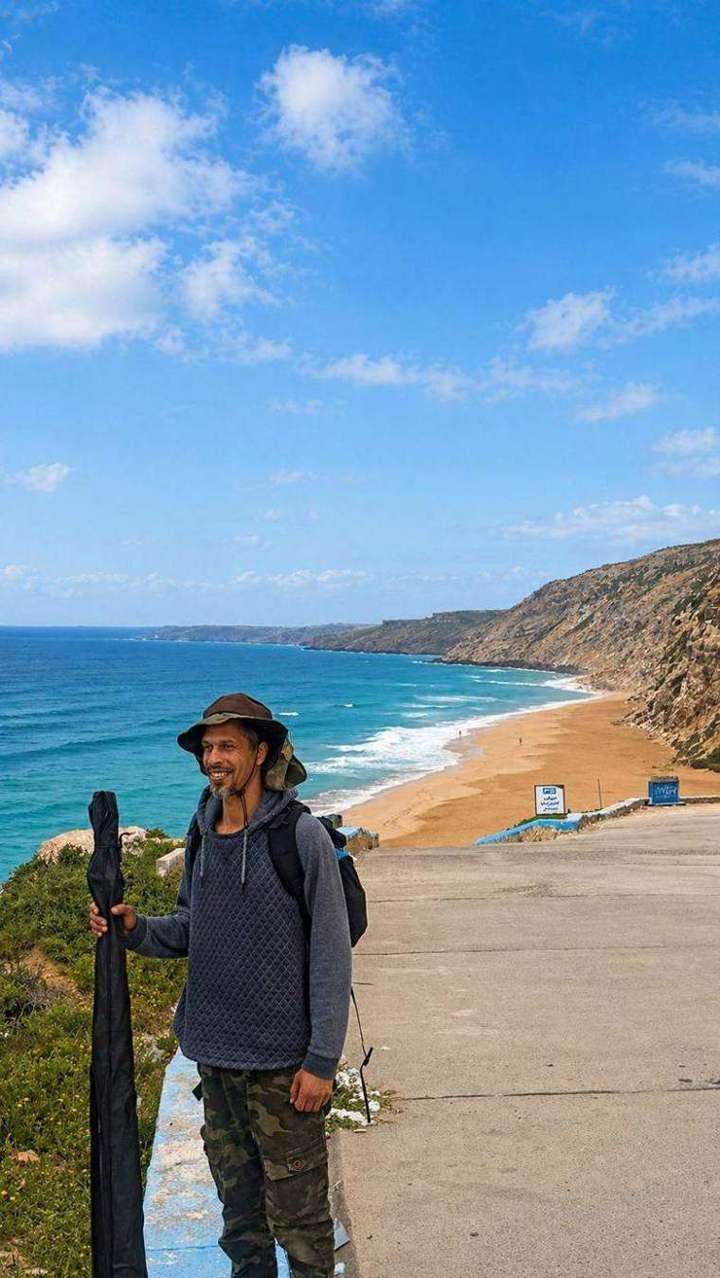
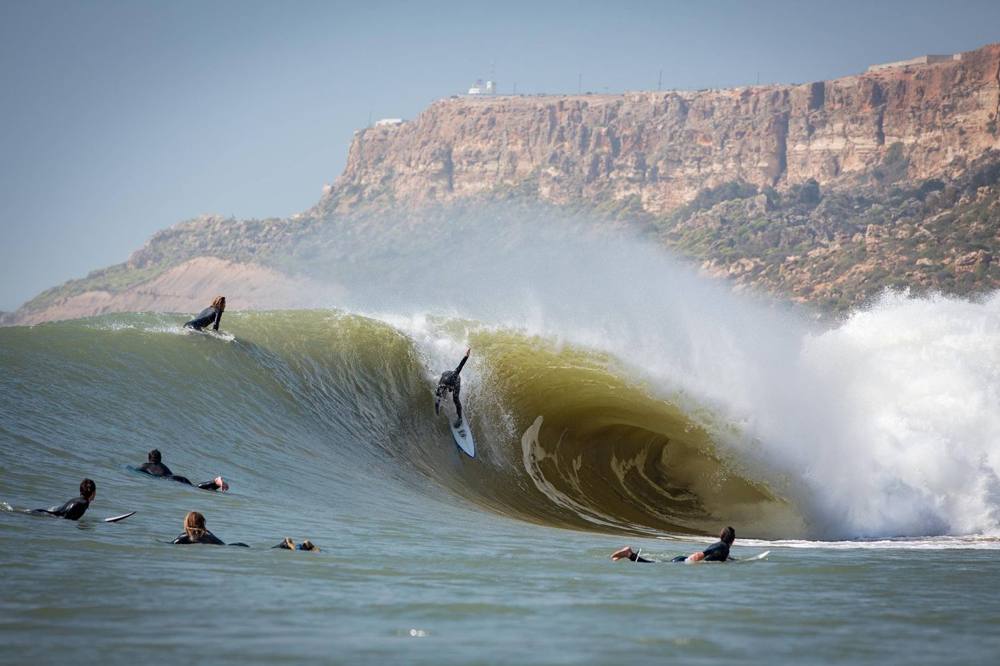
One of Morocco's most famous point breaks: long waves and perfect barrels beneath the cliff.
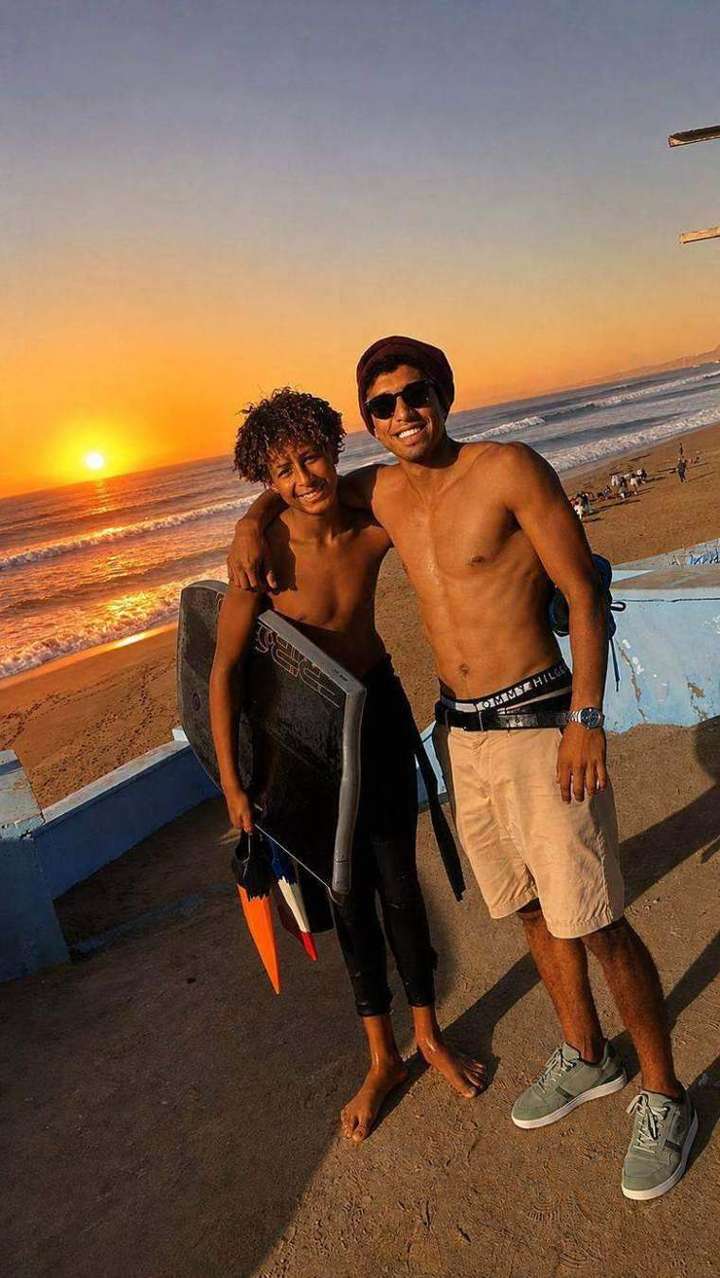
The best sessions come at the end of the day, with the sun dropping into the ocean.
The UNESCO World Heritage medina, among white and blue lanes and the Atlantic wind.
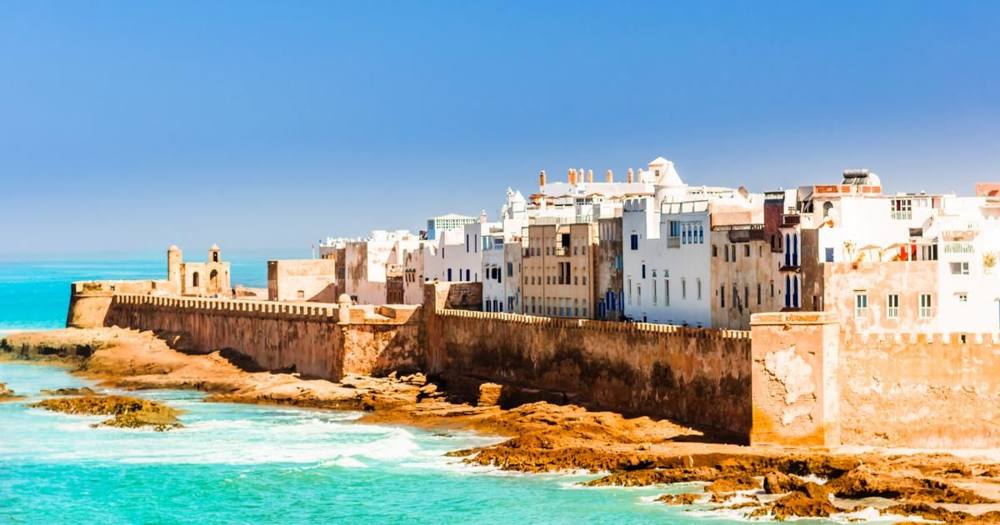
Portuguese ramparts facing the Atlantic, white and blue lanes, thuya wood workshops and the fishing harbour.
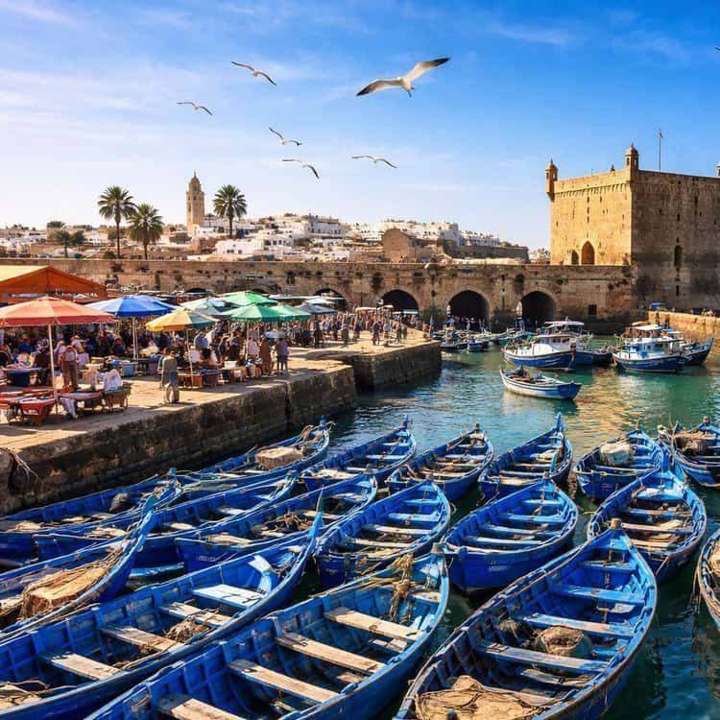
One of the most authentic little ports in Morocco: blue boats, nets drying in the sun and very fresh fish cooked on the spot, right on the quay.
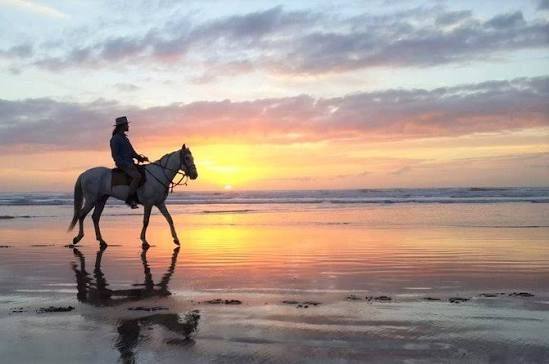
Kilometres of open sand along the bay: you ride at sunset, with the ocean on one side and the dunes on the other.
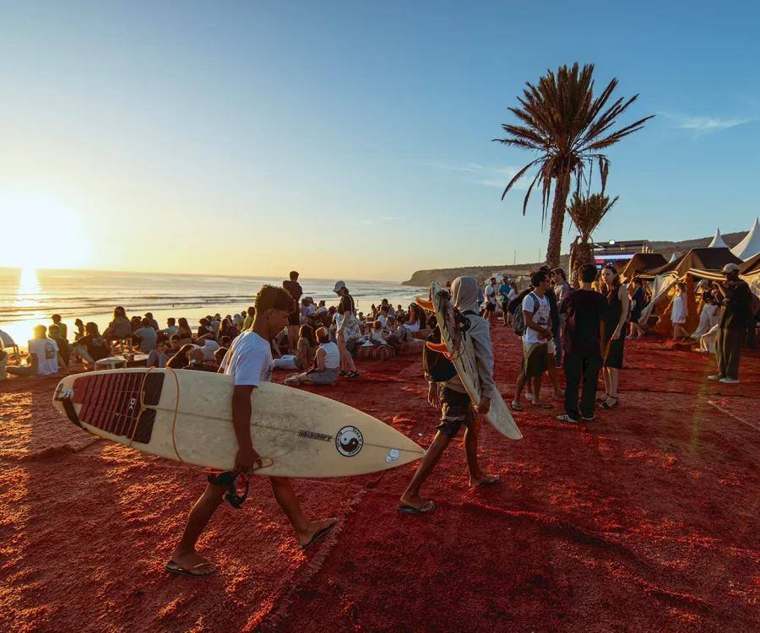
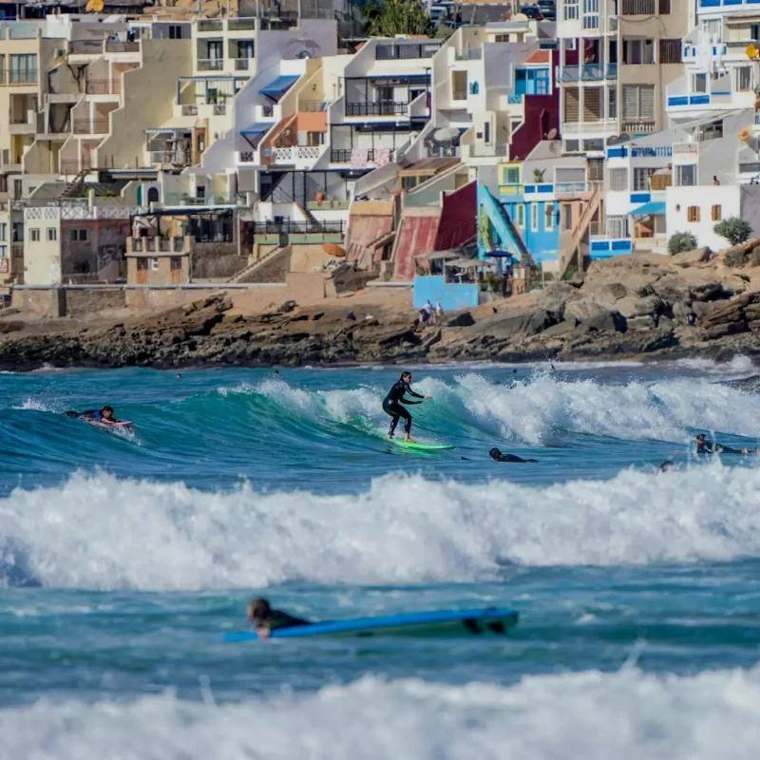
The paradise of Moroccan surfing, waves for every level.
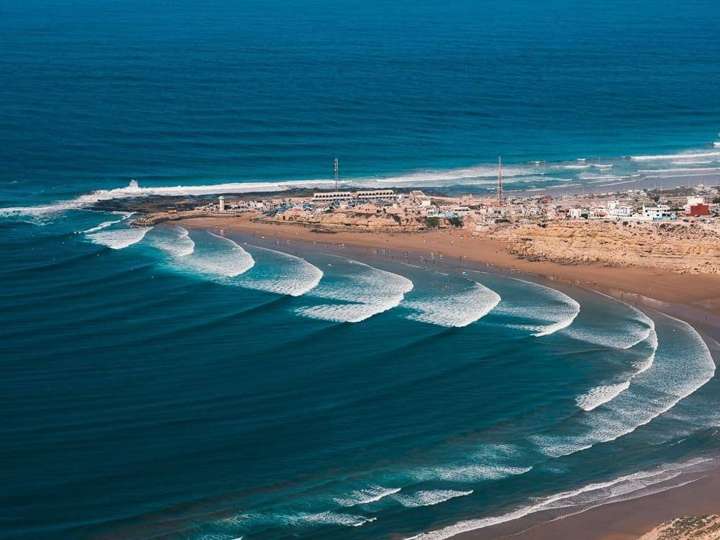
Waves for every level, all year round: from gentler breaks for beginners to more technical reefs, with the fishing village in the background.
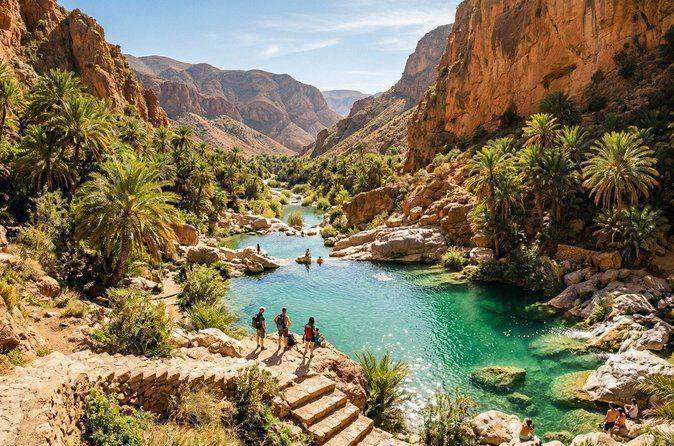
A few kilometres from the coast, a canyon with turquoise pools set into the rock among palm trees: a cool stop inland.
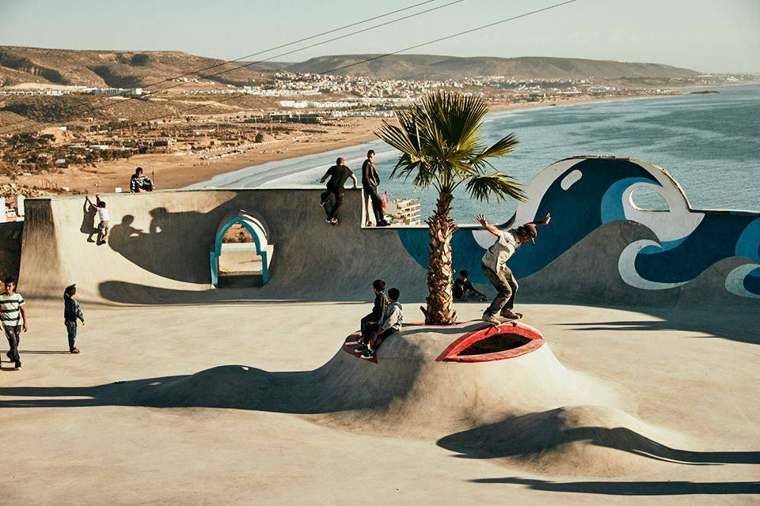
A skatepark carved into the hillside, with the ocean behind it: the youngest, most creative side of the village.
Classic seaside and swimming, long easy beaches to relax on.
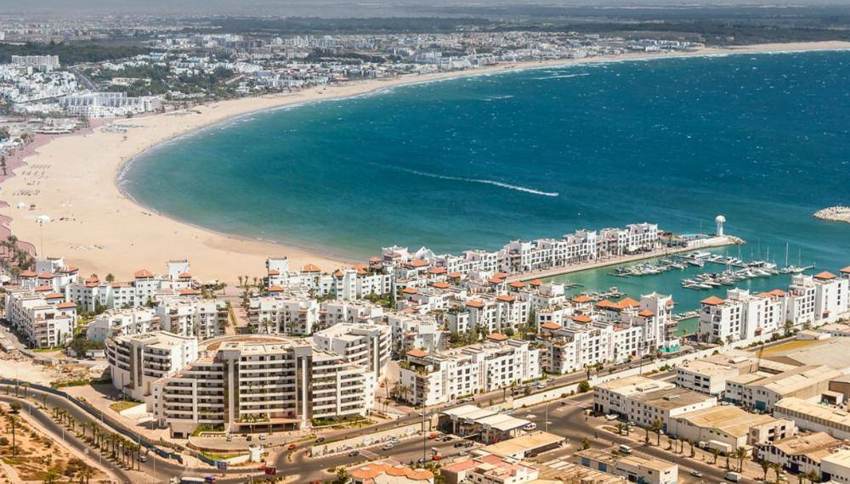
A long bay of fine sand, perfect for unwinding between one trip and the next.
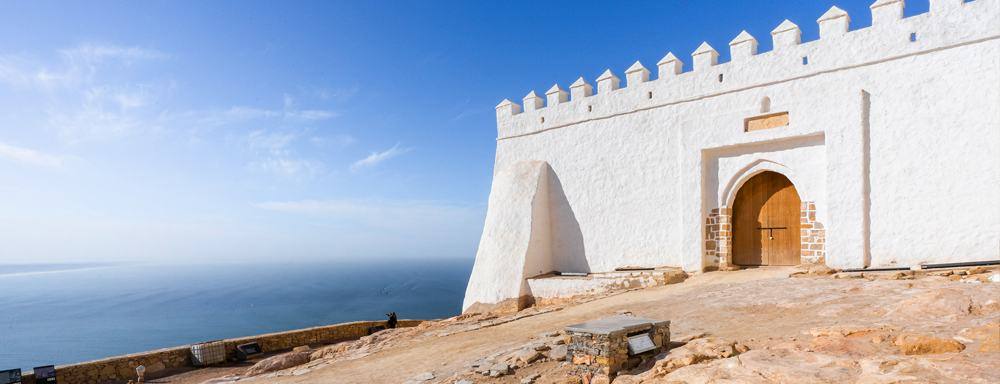
A panoramic view over the city and the bay from the walls of the hilltop fortress.
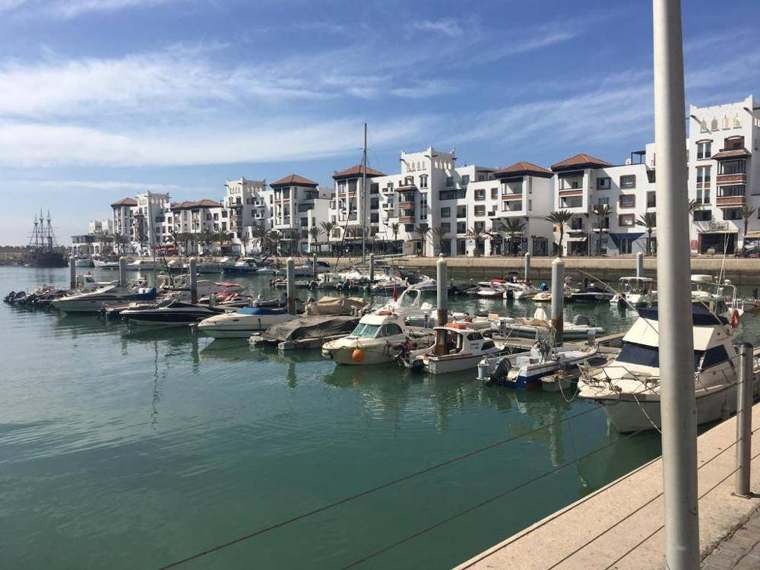
The tourist harbour with boats, restaurants and bars looking out over the water.
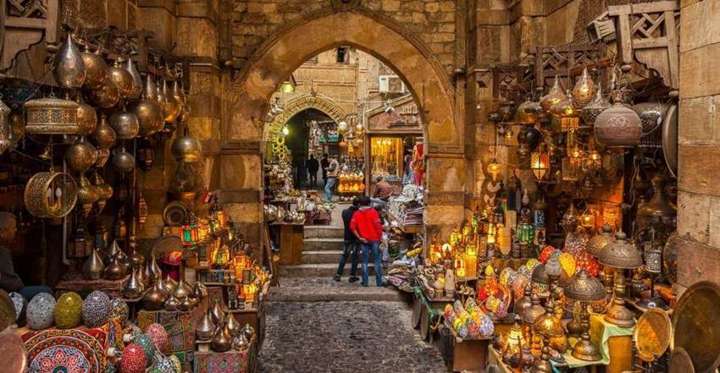
The city's great covered market, among spices, crafts and local life.
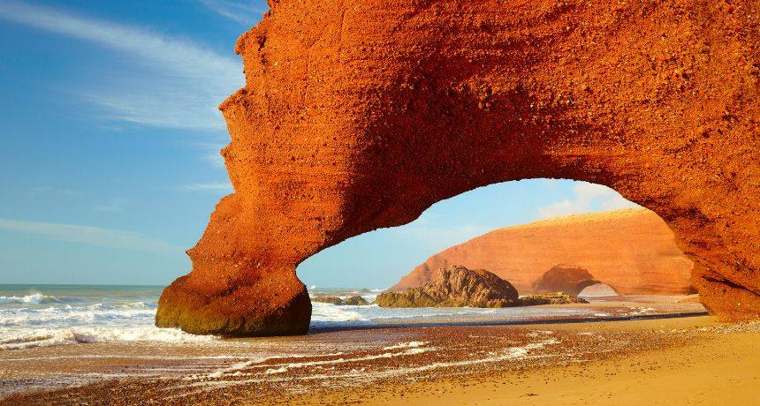
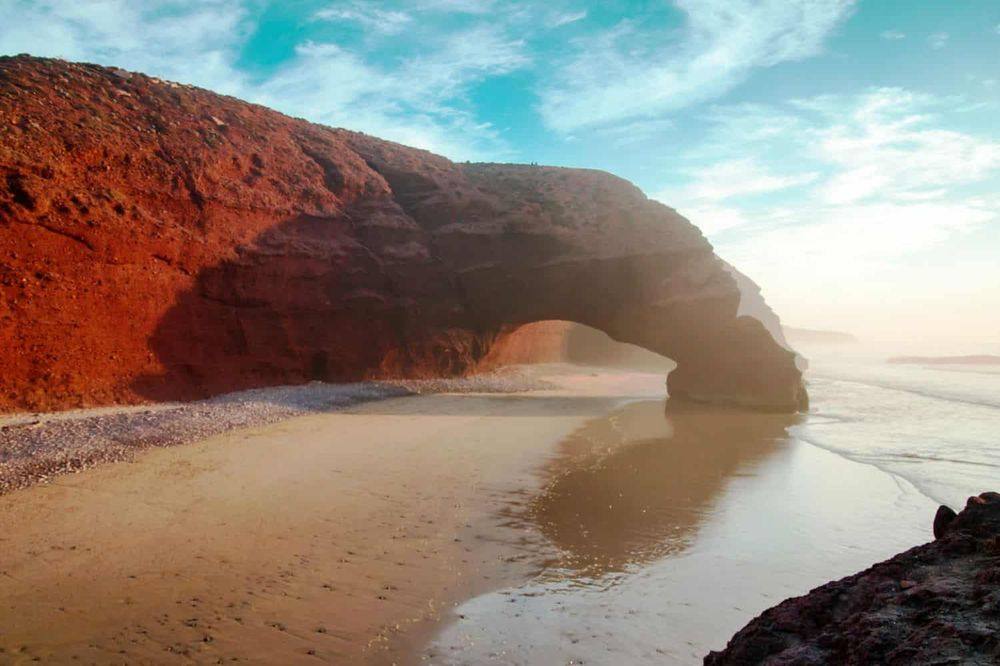
The famous red rock arches carved by the ocean, south of Sidi Ifni. Spectacular at sunset.
In Western Sahara, a wild lagoon between dunes and ocean: a paradise for windsurfing and kitesurfing.
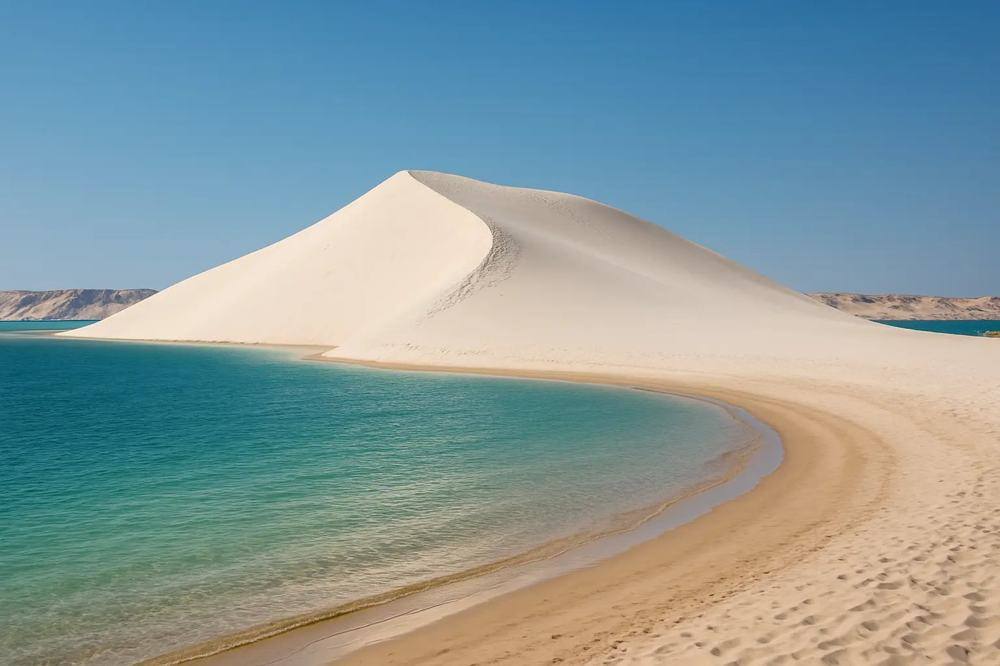
A dune of pale sand that drops straight into the turquoise water of the lagoon.
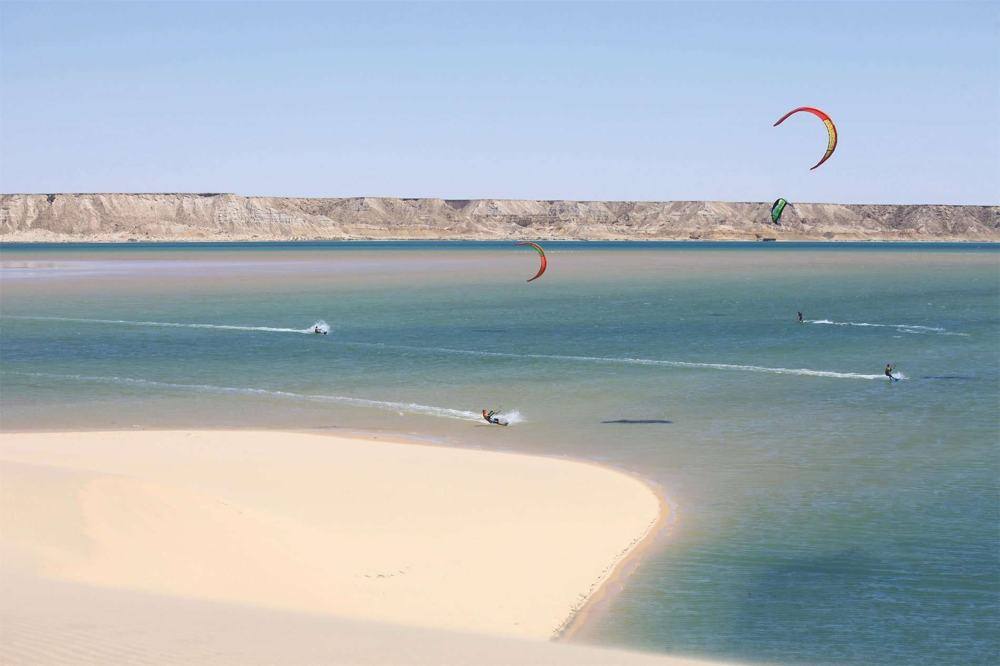
Steady wind all year round and flat water: one of the best spots in the world for anyone who rides.
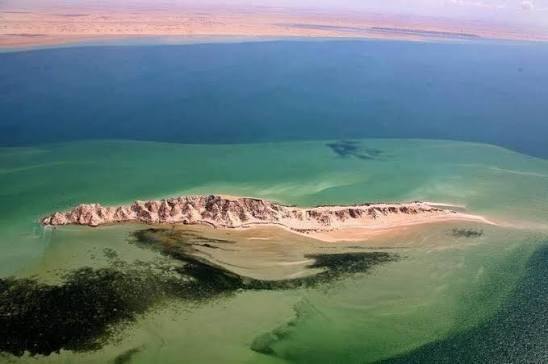
A boat trip out to the strip of land that looks like a dragon's back in the water.
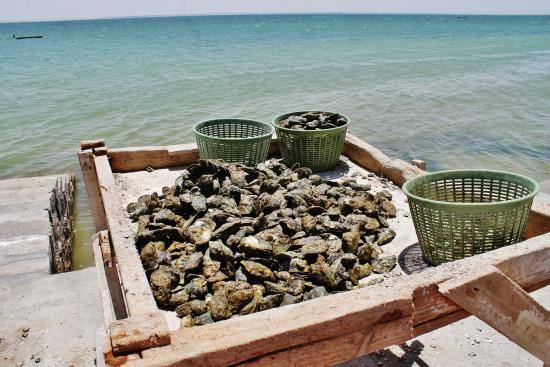
Oysters farmed in the lagoon, as fresh as it gets, tasted right on the shore.